 Guide: birds in winter
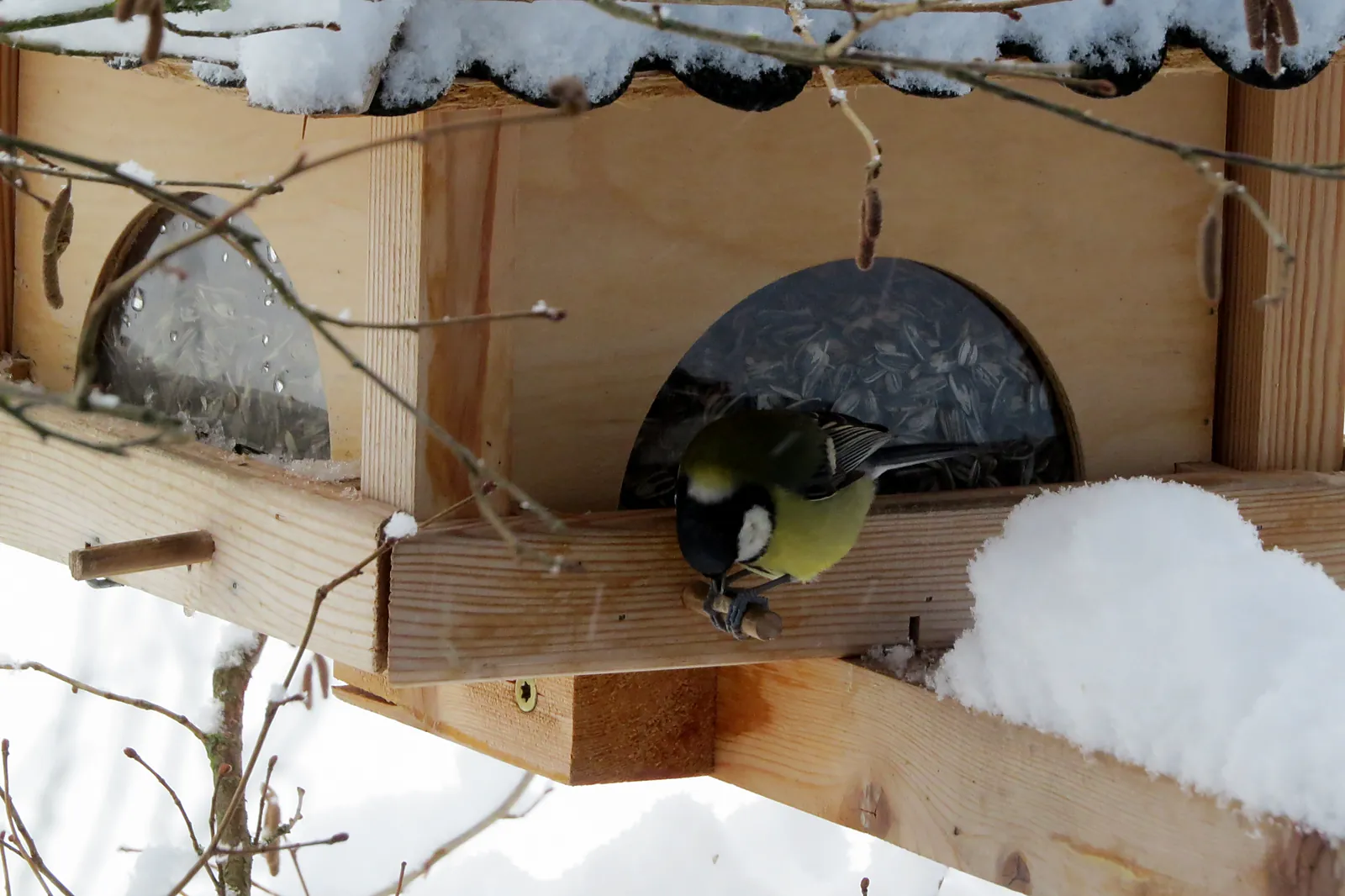


What to buy
- Spring for wild birds, feeder: A hanging feeder in the shape of a spring.
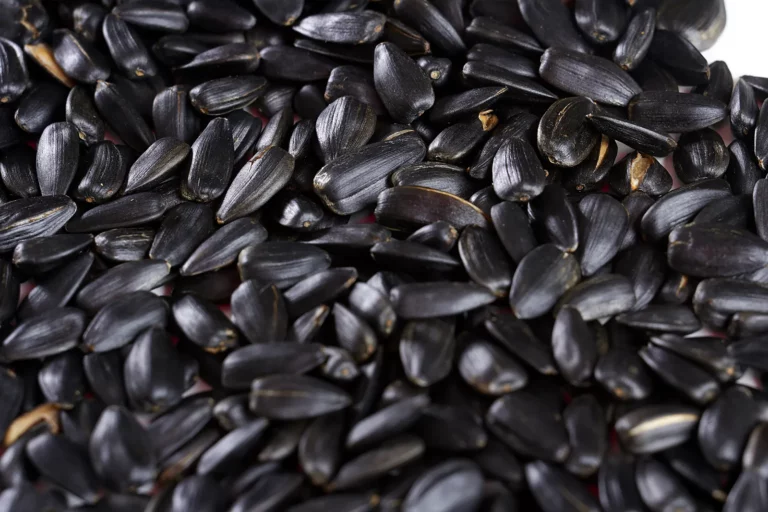
- sunflower for birds: The basic winter food for the feeder, eaten by tits, house sparrows and greenfinches, among others.
- Food for overwintering birds: Ready-made food for the feeder, for overwintering birds.
In brief
- Hang the feeder at least 1.2 m above the ground, as GDOŚ recommends3, and out of reach of predators, as OTOP advises1.
- Do not mount the feeder on windows or right next to them; ideally there are tall shrubs nearby where the birds can take cover1.
- Clean the feeder with hot water without detergents and put in only as much food as the birds will eat straight away.
In this article
Which bird feeder should you choose?
Choose a hanging feeder without a large floor. An archived OTOP educational resource warns that feeders with a large floor, on which bird droppings accumulate alongside the seeds, can be a breeding ground for parasites and a place where diseases such as salmonellosis spread2. The same material recommends a hanging feeder without a base, for example pieces of thick birch branch with drilled holes filled with fat and seeds2.
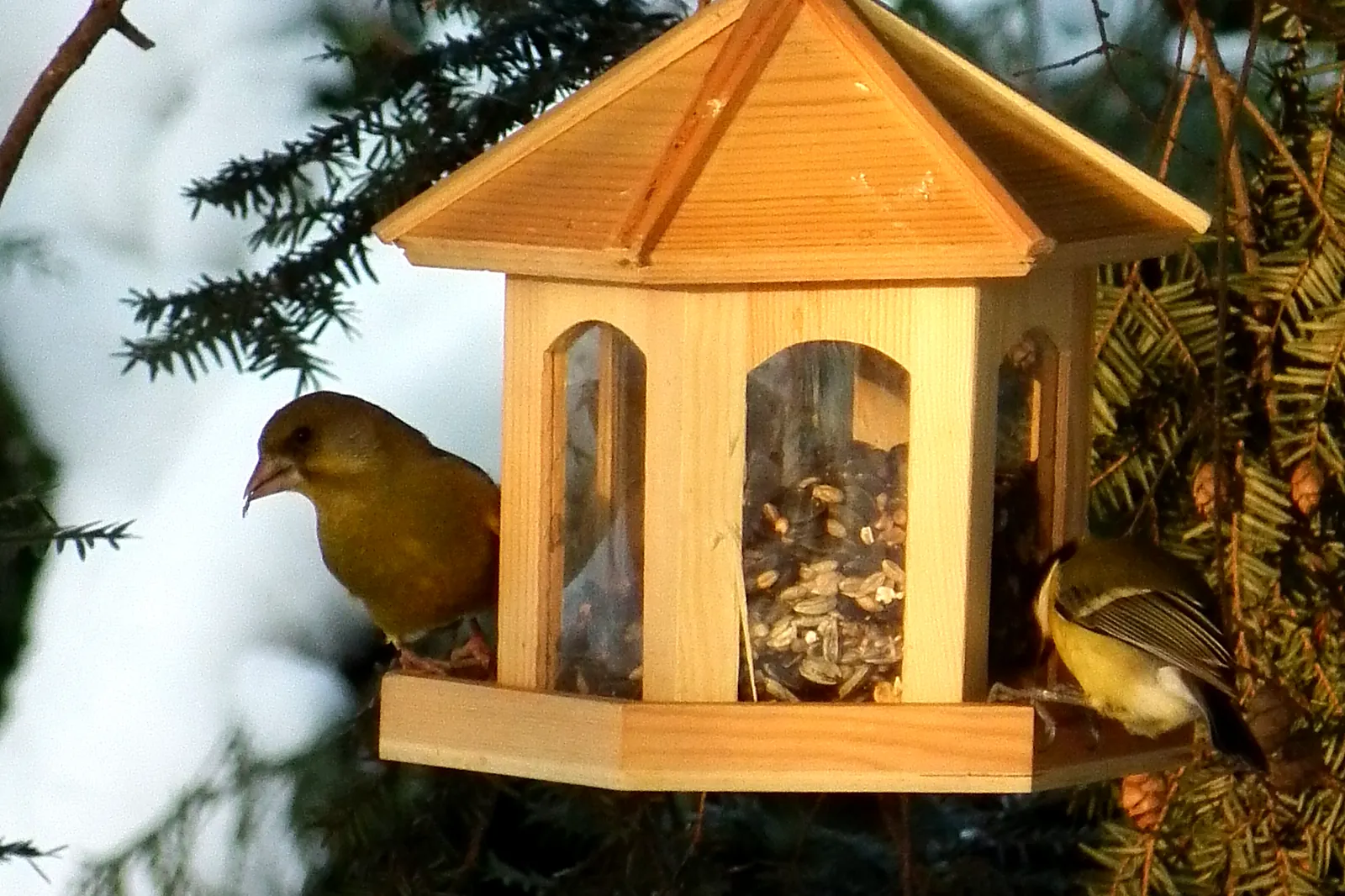
This is material from years ago, and Polish studies described by National Geographic found no evidence that feeders are a source of salmonellosis in Poland in winter4. Hygiene is still essential, because sick and healthy birds meet at a feeder and microbes pass between species4.
Feeder for fat balls
OTOP advises hanging fat balls on a string, serving them as a "bell" in a paper cup, or putting them into a metal fat ball feeder1. If the ball comes in a plastic net, including one bought from us, remove the net before hanging it, because birds can get tangled in it1. We write more in the guide fat balls for birds.
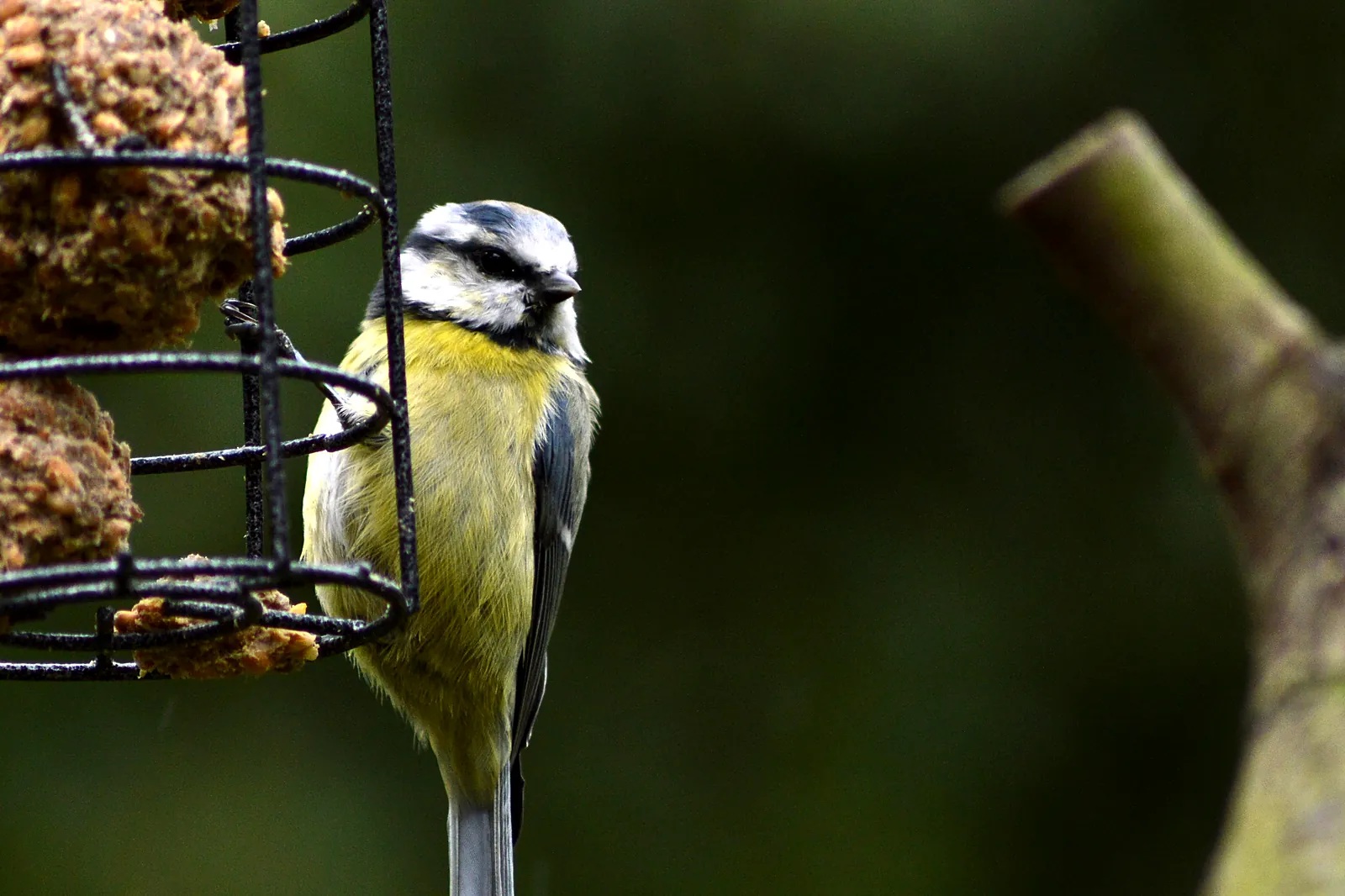
In the shop you will find a spring for wild birds and ready-made fat balls and fat bells.
Feeder for tits
Tits eat sunflower, suet and fat balls1, so a hanging fat ball feeder or a piece of unsalted suet hung up will suit them. According to OTOP educational material, the great tit very much likes pecking at suet hung in a feeder2. We describe what each species eats in the guide what tits eat in winter.
Where should you hang a bird feeder?
Hang the feeder high, at least 1.2 m above the ground, as GDOŚ recommends3. OTOP educational material advises against a standing post, because it gives cats easy access2. The current OTOP guide allows a free-standing feeder on a tall leg protected, for example, with sheet metal, which cats and martens cannot climb1.
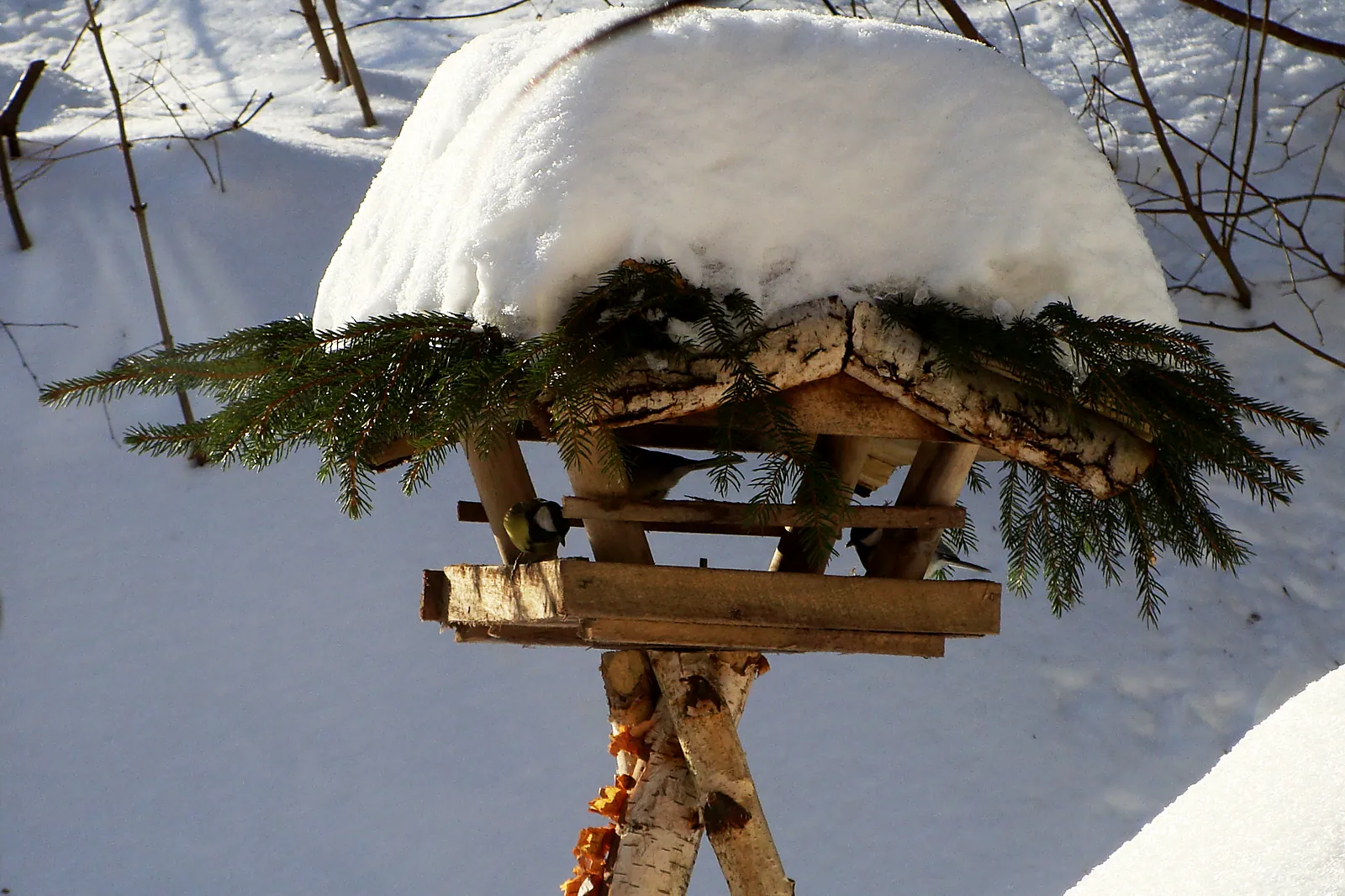
- Away from windows: do not mount the feeder on glazing or right next to it, including with suction cups, because it risks injury or death to birds1.
- Shrubs nearby: tall shrubs close by let birds rest and hide from a predator1, and Prof. Piotr Tryjanowski advises hanging the feeder high, near bushes5.
- On a balcony: the feeder must stand stably1.
The feeder hangs high, away from windows and close to shrubs, not on a low post a cat can climb.
Please note. Do not mount the feeder on windows or right next to them, including with suction cups: this risks injury or even death to birds1.
What should you fill the feeder with?
Fill the feeder sunflower, with a seed mix, unsalted nuts, unsalted suet or fat balls1. OTOP stresses that sunflower can be either hulled or in the husk1. Do not put in bread, kitchen scraps or anything salted1,3.
Give only as much as the birds will eat straight away, because wet food quickly goes mouldy1. GDOŚ advises putting only a little food in the feeder so that it does not spoil3. You will find the full list of foods and the table of species in the guide what to feed birds in winter, and we write about choosing seed in the text sunflower for birds.
You will find ready-made food in the category food for overwintering birds, including sunflower for birds and food for overwintering birds. We describe when to start feeding in the guide when to feed birds.
At domowypupil.pl
-
For wild birds
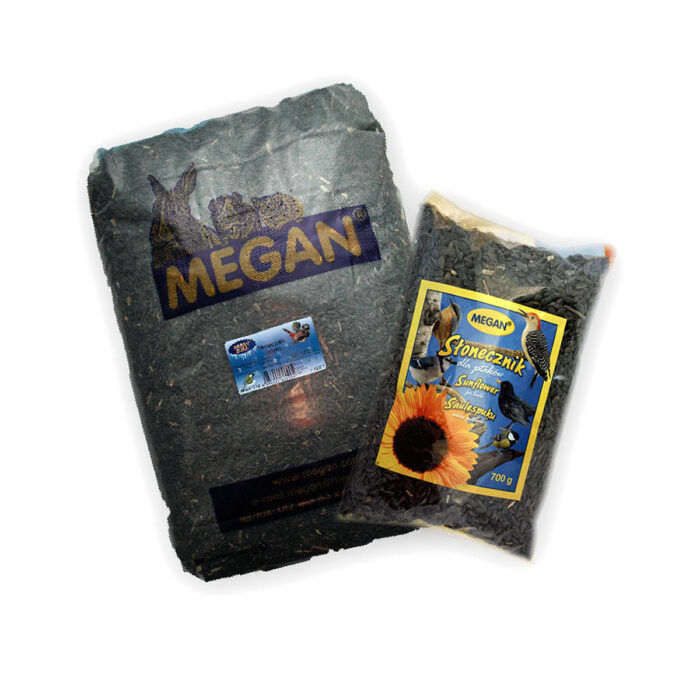
Sunflower for birds
from 8,93 zł incl. VAT Select options This product has multiple variants. The options may be chosen on the product page -
For wild birds
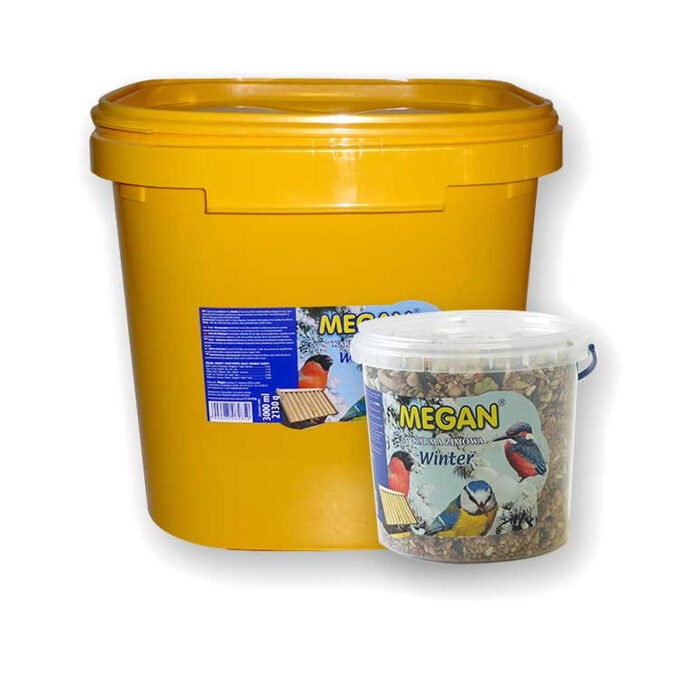
Food for overwintering birds
from 10,33 zł incl. VAT Select options This product has multiple variants. The options may be chosen on the product page
How do you clean a bird feeder?
Remove uneaten leftovers and disinfect the feeder with hot water, without detergents, as OTOP advises1. According to OTOP, microbes from the feeder are harmless to humans1, but wash your hands after cleaning anyway.
"let us clear away uneaten food leftovers and disinfect the feeder (with hot water, without detergents)"
OTOP, "What to feed and how?"
The sources do not say how often to wash the feeder, so go by its condition. When droppings build up in it, or wet food, which according to OTOP quickly goes mouldy1, wash the feeder.
Key points
- Choose a hanging feeder without a large floor.
- Hang the feeder high, at least 1.2 m above the ground, as GDOŚ recommends3.
- Give only as much as the birds will eat straight away, because wet food quickly goes mouldy1.
- Remove uneaten leftovers and disinfect the feeder with hot water, without detergents, as OTOP advises1.
Should you put water next to the feeder?
Yes, but the water bowl should not stand on the ground, because while drinking and bathing birds are exposed to attacks, for example by cats1. In winter pour in warm water, which will take longer to freeze1, although GDOŚ specifies: warm, but not hot3. Change the water regularly and wash the water bowl together with the feeder.
Frequently asked questions
Which bird feeder is best?
According to OTOP educational material, the best is a hanging feeder without a large floor on which droppings collect. It should hang high, away from windows and out of reach of cats.
At what height should you hang a feeder?
GDOŚ recommends at least 1.2 m above the ground. OTOP advises keeping the feeder out of reach of predators, and a free-standing one should stand on a tall leg protected, for example, with sheet metal.
Can you stick a feeder to a window?
No. OTOP advises against mounting a feeder on windows or right next to them, including with suction cups, because it risks injury or death to birds.
What should you wash a bird feeder with?
OTOP advises removing uneaten leftovers and disinfecting the feeder with hot water without detergents. The sources do not say how often to do this, so wash the feeder when droppings or wet food build up in it.
Sources
- OTOP, "What and how to feed?", by Monika Klimowicz-Kominowska, otop.org.pl
- OTOP, educational material "Should we feed birds? Birds of the month: tits and finches" (older material, not the current position), otop.org.pl
- GDOŚ, "#PoPierwszeNieSzkodzić: feeding birds" (21.11.2022), gov.pl
- National Geographic Polska, "Scientists are not convinced about feeding birds in winter" (11.12.2023), national-geographic.pl
- Radio Kielce (IAR), statement by Prof. Piotr Tryjanowski, Poznań University of Life Sciences (2.11.2024), radiokielce.pl
Photos: photo: GT1976, Wikimedia Commons, CC BY-SA 4.0, crop changed; Photo: 4028mdk09, Wikimedia Commons, CC BY-SA 3.0, crop changed; photo: Jacob Spinks from Northamptonshire, England, Wikimedia Commons, CC BY 2.0, crop changed; Photo: Blackerking, Wikimedia Commons, CC BY-SA 3.0, crop changed.
Prepared by the domowypupil.pl editorial team on the basis of the sources listed above. The article is for information only and does not replace the advice of a vet.