 Guide: birds in winter
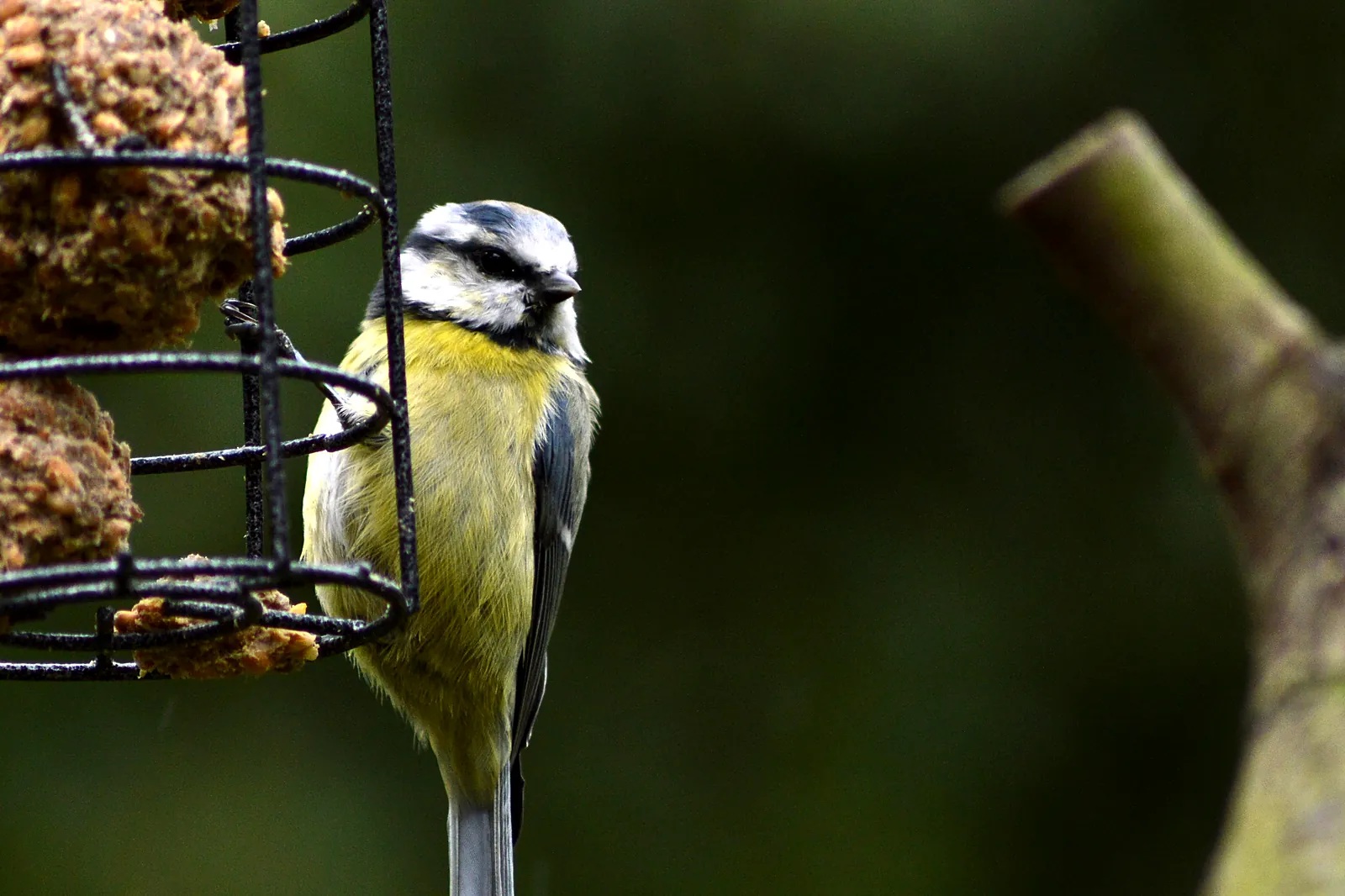


What to buy
- Fat bells: Complete fat food for wild birds in a cup for hanging.
- Fatty winter food: Fat food for winter days at the feeder.
- Fat pellets with insects: Fat pellets with added insects for wild birds.
In brief
- OTOP warns that birds can get tangled in the plastic net from a fat ball, and advises removing it before hanging the ball.
- Hang a fat ball without its net on a string, in a paper cup as a "bell", or in a metal fat ball feeder.
- Instead of balls you can give unsalted suet, which in frost you replace after about 2 weeks at the latest.
In this article
Why are fat balls for birds served without the net?
Because a plastic net can be a deadly trap for birds. The Polish Society for the Protection of Birds (OTOP) warns that birds can get tangled in it, and advises removing the net before putting the ball into a feeder1.
National Geographic Polska says the same, citing OTOP and WWF: fat-and-seed balls are fine, but without plastic nets2.
Do fat balls from the shop need to be unwrapped?
Yes, if they are in a net. The rule applies to every ready-made ball, regardless of brand, including balls from the domowypupil.pl range if they reach you in a net. The net is for packaging, not for hanging in the garden.
The net is for packaging, not for hanging in the garden.
- Remove the whole net. Cut it with scissors and check that no loops or threads are left on the ball.
- Choose how to serve it. OTOP suggests a string, a paper cup from which a "bell" is made, or a metal fat ball feeder1.
- Choose a spot. The ball should hang out of reach of predators, away from windows, ideally near shrubs1, at least 1.2 m above the ground3.
- Replace the ball when it gets dirty, damp or rancid. Mouldy and rancid food is not suitable for birds1.
- Put the netting in the bin, do not leave it in the garden.
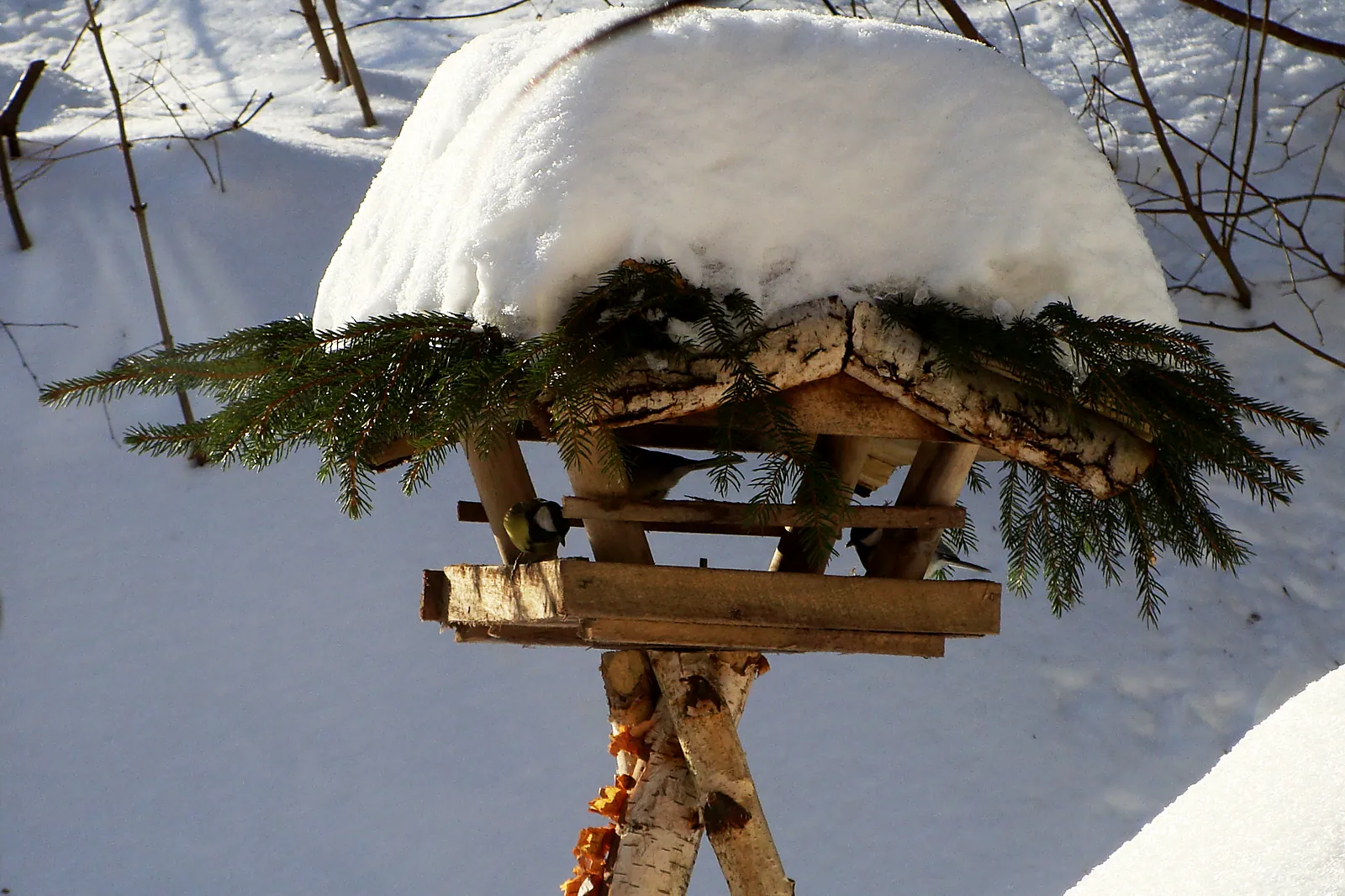
In the shop you will find fat bells and balls for wild birds. Before hanging, check the packaging: if the food is in a net, remove it, just as with any other ball.
Key points
- Remove the whole net.
- The rule applies to every ready-made ball, whatever the brand.
- OTOP suggests a string, a paper cup from which a "bell" is made, or a metal feeder for balls.
- Suet needs to be replaced regularly.
Which birds eat fat balls?
Mainly tits, but not only. According to OTOP, a fat and seed mix attracts a wide range of species, and among the foods of tits OTOP lists fat balls alongside sunflower and suet1. Prof. Piotr Tryjanowski of the Poznań University of Life Sciences told Radio Kielce that tits especially like the balls4.
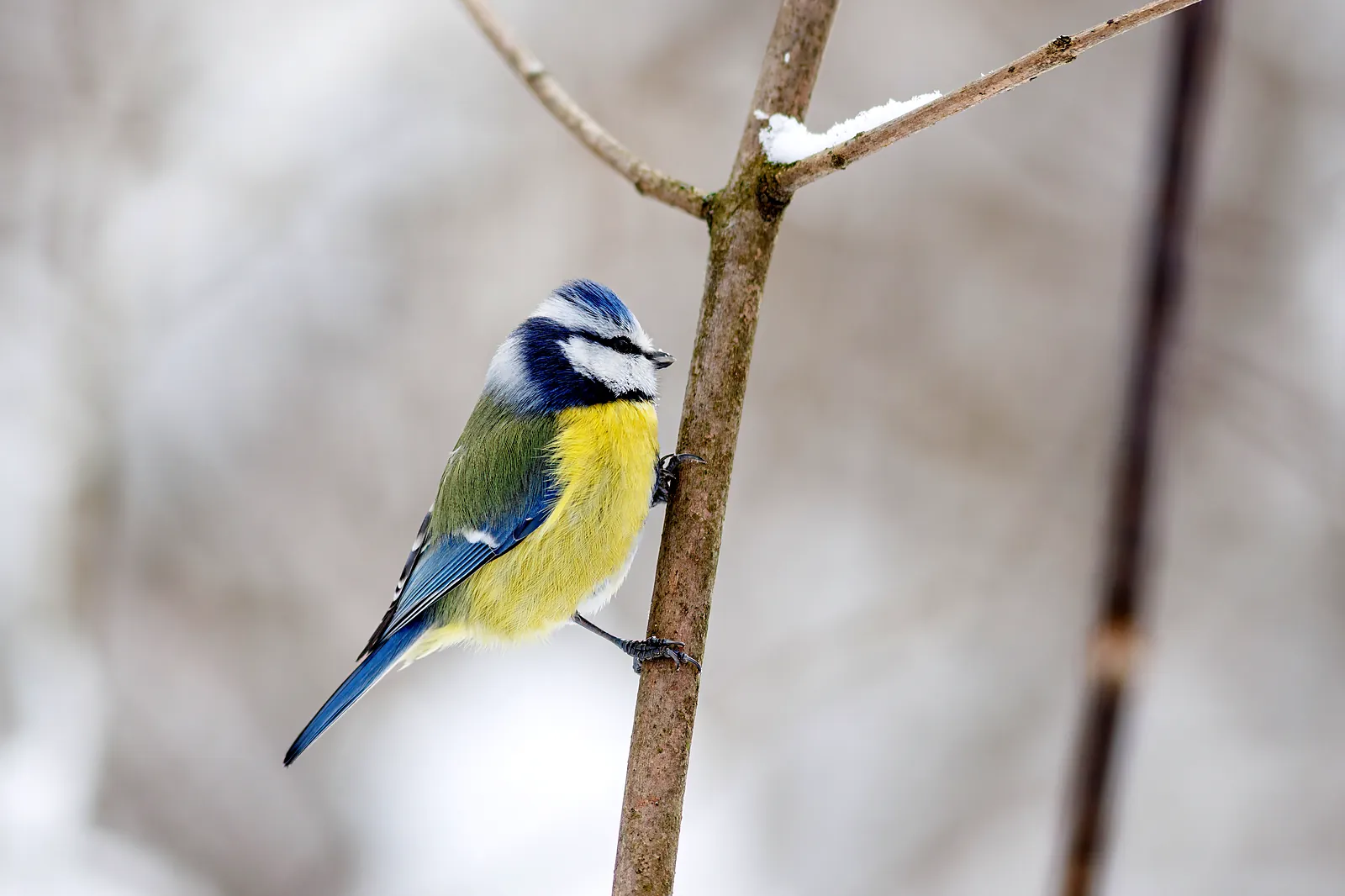
Tryjanowski also advises hanging the feeder high up, close to bushes4. More on this, what tits eat in winter, we write in a separate guide, and on choosing a feeder in the article bird feeder.
At domowypupil.pl
-
For wild birds
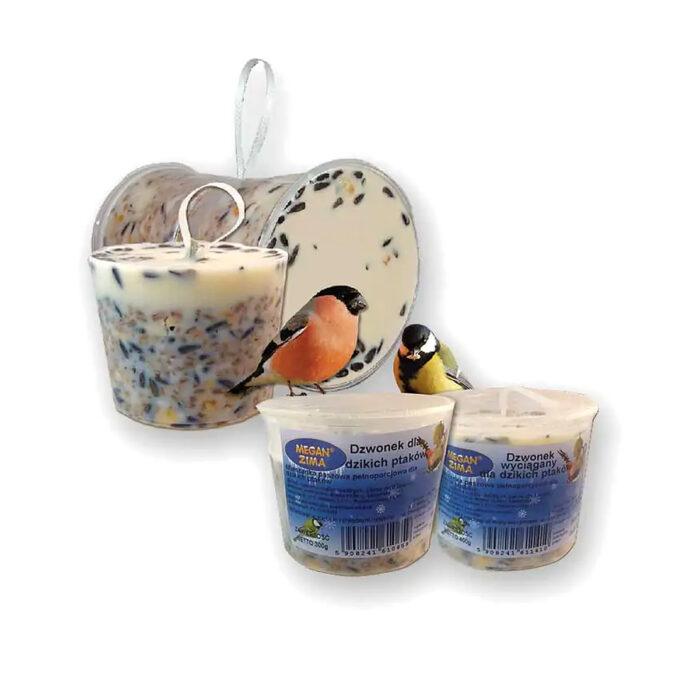
fat bells
8,84 zł incl. VAT Select options This product has multiple variants. The options may be chosen on the product page -
For wild birds
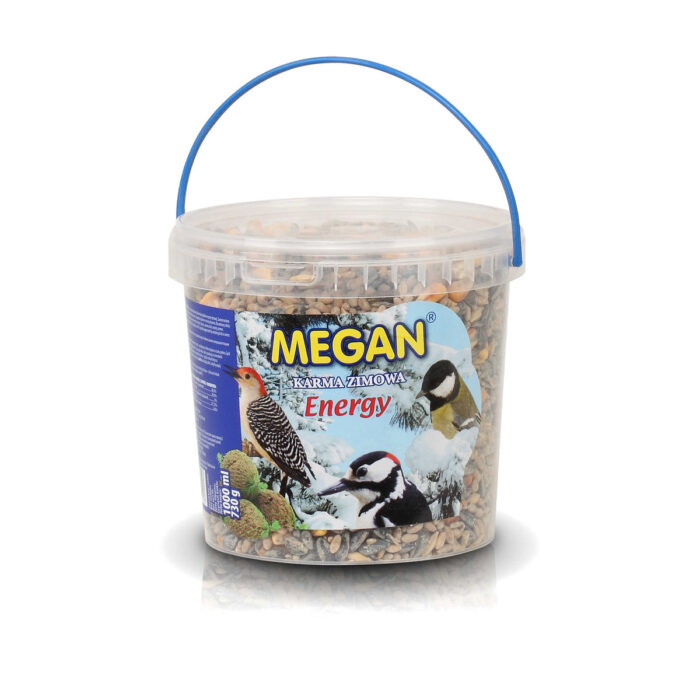
Fatty winter food
9,59 zł incl. VAT Select options This product has multiple variants. The options may be chosen on the product page
Can you give suet instead of fat balls?
Yes, but only unsalted. OTOP points out that salt is very harmful to birds, and National Geographic Polska also lists only unsalted suet1,2. According to OTOP, suet is eaten by tits, nuthatches and woodpeckers, and often by corvids too1.
Suet needs to be replaced regularly. According to OTOP, in sub-zero temperatures it stays fresh for about 2 weeks at most, while in above-zero temperatures it quickly turns rancid and does harm1. So in a thaw, cut back on suet or take it down from the feeder.
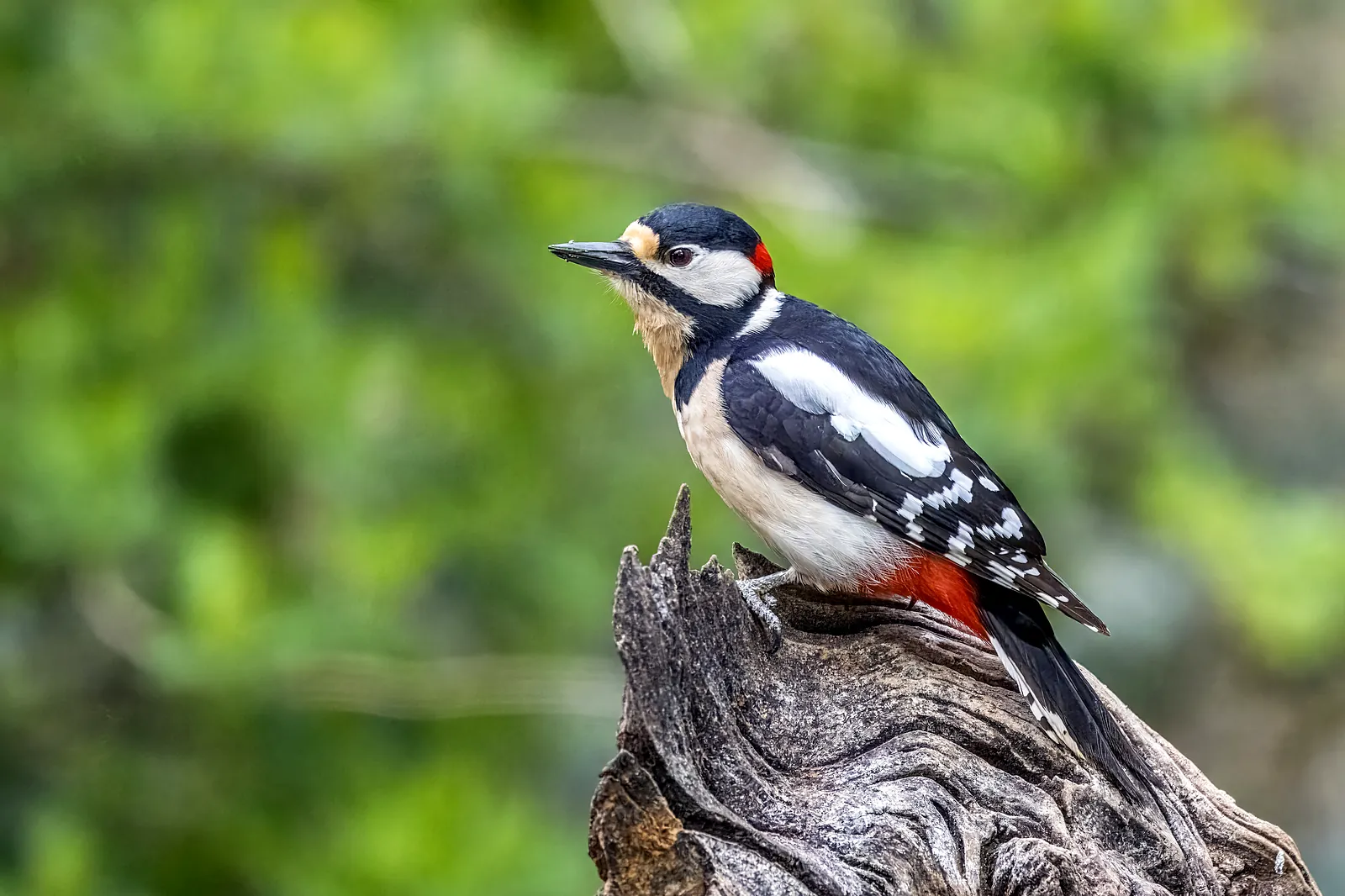
OTOP's educational material describes the great tit as a tit that "also very much likes to peck at suet hung in the feeder"5.
Please note. Suet for birds must be unsalted: salt is very harmful to birds1.
Can you make fat balls yourself?
Yes, OTOP actually recommends preparing the mix yourself from fat, e.g. tallow, and various seeds1. You can shape the ball straight onto a string or pour the mixture into a paper cup1. OTOP does not give the proportions of the ingredients, so we do not give them here either.
"That is why it is worth making fat balls yourself"
OTOP, "What to feed and how?"
OTOP's educational material suggests one more method: pieces of thick birch branches with drilled holes filled with fat and seeds5. In every version the same applies: no salt and only fresh ingredients1,3.
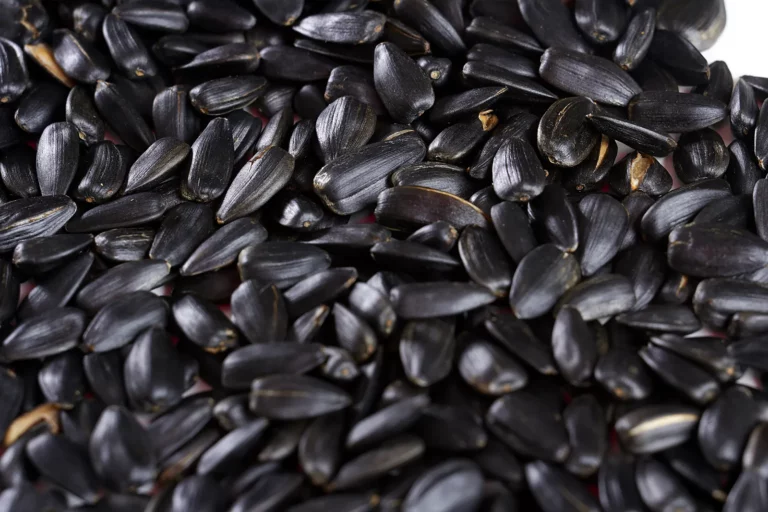
Balls are one of several winter foods, alongside sunflower seeds for birds, seed mixes and nuts1. We describe when to hang them out in the guide when to start and when to stop feeding birds, and you will find the range in the category food for overwintering birds.
Frequently asked questions
Are fat balls in netting safe for birds?
No, as long as the netting is on the ball. OTOP warns that birds can get tangled in it, which can be fatal. Remove the netting before hanging the ball.
How do I hang a fat ball without netting?
OTOP gives three ways: on a string, in a paper cup as a "bell", or in a metal feeder for balls. Choose a spot out of reach of cats and away from windows.
How long can suet for birds hang?
According to OTOP, in frost it stays fresh for about 2 weeks at most. In above-zero temperatures it quickly turns rancid, so then cut back on it or take it down.
Are fat balls enough as the only food?
The sources do not settle this directly. OTOP lists balls as one of several foods alongside sunflower, seed mixes, nuts and suet, so offer them together with other foods.
Sources
- OTOP, "What and how to feed?", by Monika Klimowicz-Kominowska, otop.org.pl
- National Geographic Polska, "Jak prawidłowo dokarmiać ptaki" (25 November 2025), Magdalena Rudzka, citing OTOP and WWF, national-geographic.pl
- GDOŚ, "#PoPierwszeNieSzkodzić: feeding birds" (21.11.2022), gov.pl
- Radio Kielce (IAR), statement by Prof. Piotr Tryjanowski, Poznań University of Life Sciences (2 November 2024), radiokielce.pl
- OTOP, educational material "Czy dokarmiać ptaki? Ptaki miesiąca: sikory i łuszczaki" (PDF, archived material), otop.org.pl
Photos: photo: Jacob Spinks from Northamptonshire, England, Wikimedia Commons, CC BY 2.0, crop changed; Photo: Blackerking, Wikimedia Commons, CC BY-SA 3.0, crop changed; photo: DmitriyGuryanov, Wikimedia Commons, CC BY-SA 4.0, crop changed; photo: Charles J. Sharp, Wikimedia Commons, CC BY-SA 4.0, crop changed.
Prepared by the domowypupil.pl editorial team on the basis of the sources listed above. The article is for information only and does not replace the advice of a vet.