 Guide: birds in winter


What to buy
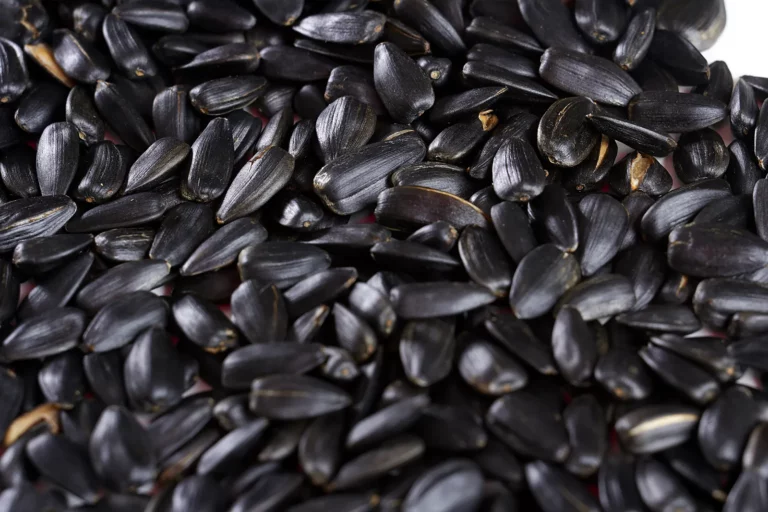
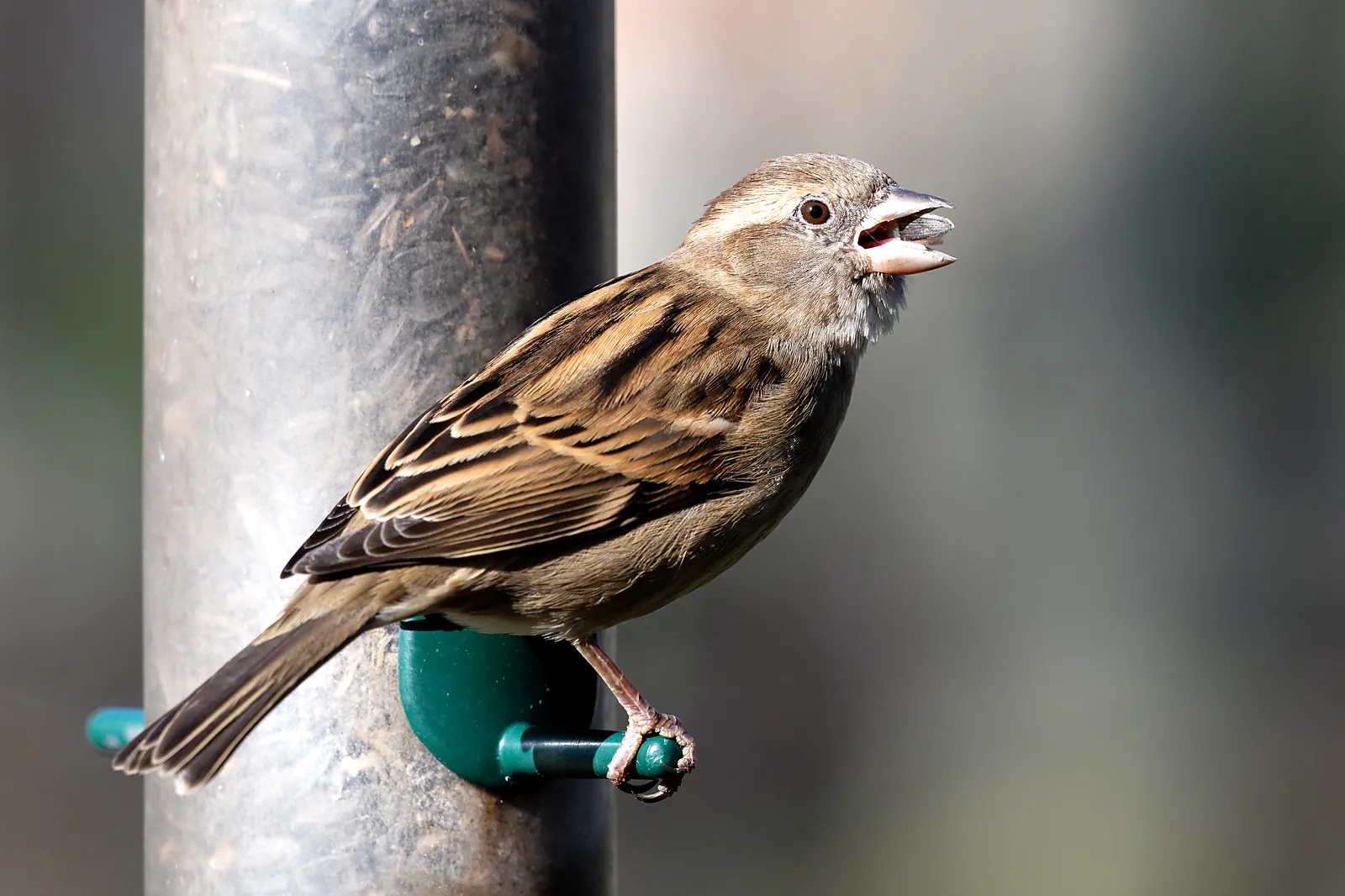
- sunflower for birds: The basic winter food for the feeder, eaten by tits, house sparrows and greenfinches, among others.
- Megi Winter standard bird food: Basic food for wild birds at the winter feeder.
- Fatty winter food: Fat food for winter days at the feeder.
In brief
- According to OTOP, in winter birds eat sunflower hearts and sunflower seeds in the husk, seed mixes, unsalted nuts, unsalted suet, fat balls and fruit.
- Never give birds bread, salted foods, table scraps, mouldy grain or fruit with sulphur.
- Give little and regularly, only as much as the birds will eat at once, and start only when there is snow and frost.
In this article
What to feed birds in winter?
In winter feed birds sunflower, seed mix, unsalted nuts, unsalted suet and fat balls, and thrushes also fruit1. GDOŚ points out that there is no single universal mix for all species2. Prof. Piotr Tryjanowski adds that if you are not sure, you can reach for ready-made products from pet shops3.
sunflower
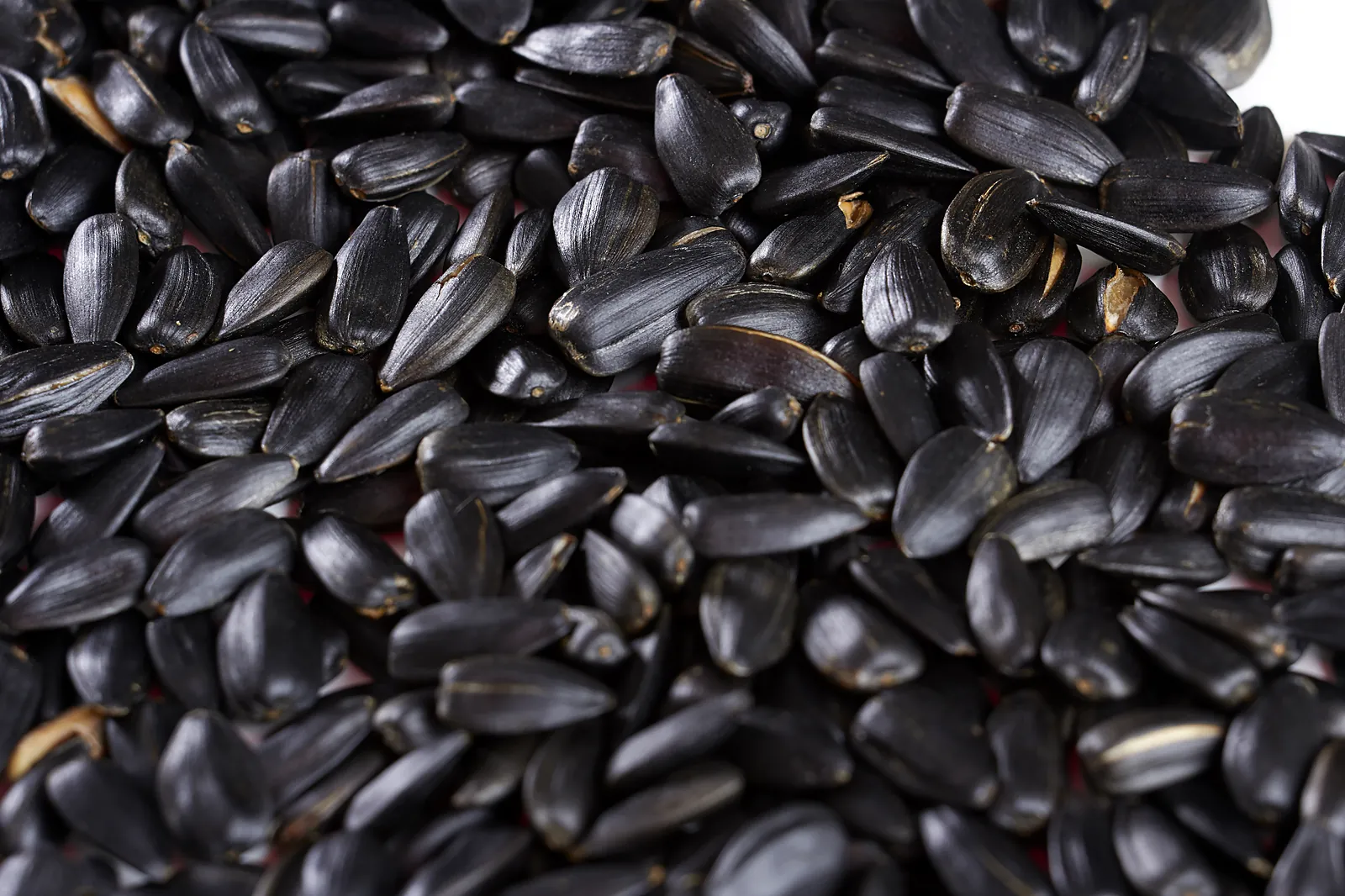
OTOP stresses that you can give sunflower either as hearts or in the husk1. Tits, greenfinches, house sparrows and tree sparrows, nuthatches, siskins, hawfinches and yellowhammers like it1. The grain must be dry and free of mould, and we write about choosing the type in the article sunflower for birds.
Seed mixes
According to OTOP, mixes for overwintering birds contain, among other things, millet, wheat, rye or triticale, oats, sorghum, hemp and seeds of wild grasses and weeds1. House sparrows and tree sparrows readily choose millet, and pigeons and collared doves choose cereal grains1. Ready-made mixes can be found in the category food for overwintering birds.
Nuts and suet
OTOP lists shelled hazelnuts, walnuts and peanuts, which must be unsalted, and writes that almost all birds at feeders like them1. Suet must also be unsalted: at sub-zero temperatures it stays fresh for about 2 weeks, and above freezing it quickly goes rancid1. It is eaten by tits, nuthatches and woodpeckers, and often by corvids too1.
Ready-made foods with nuts, e.g. Nut treat, also check the label for salt and ingredients.
Fat balls
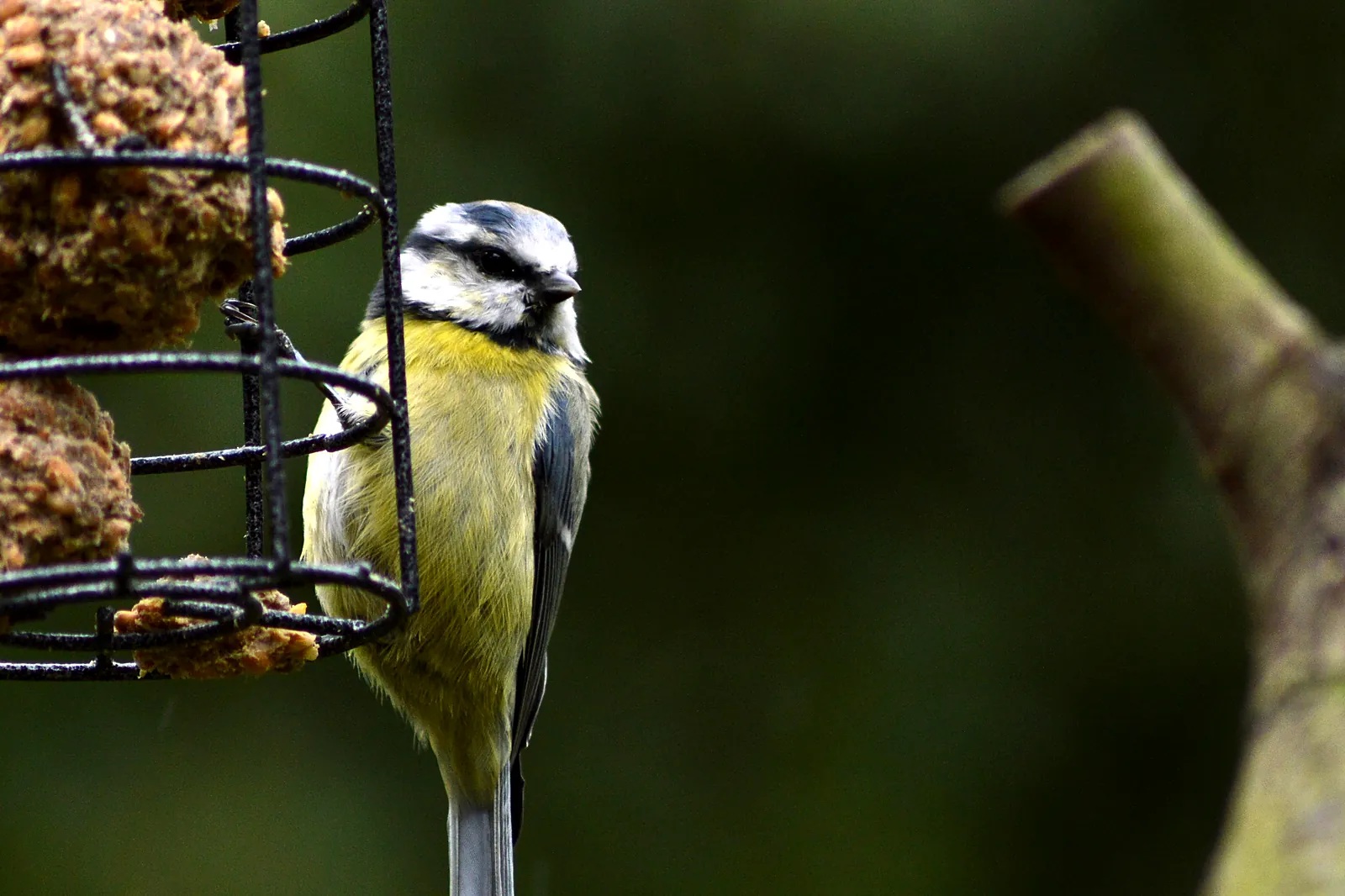
A ball is a mixture of fat, e.g. suet, and seeds, which attracts many species1, and according to Prof. Tryjanowski tits especially like it5. Plastic netting can be deadly to birds, so OTOP advises removing it1, and National Geographic Polska, citing OTOP and WWF, allows fat balls only without netting4. If a ball comes in netting, including one bought from us, take it off before hanging it up, and you will find the details in the guide fat balls for birds.
Fruit
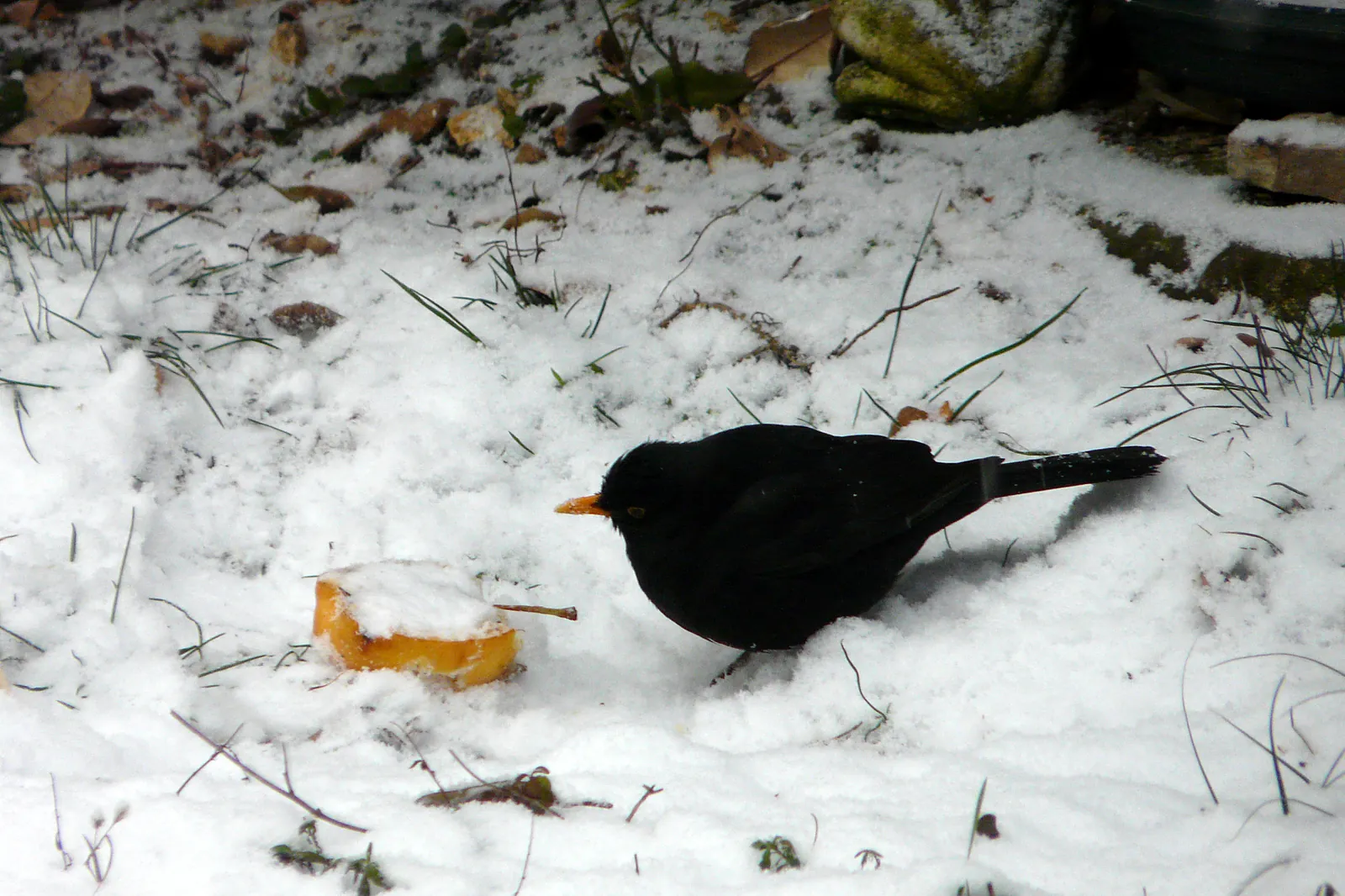
Fruit is most readily eaten by thrushes: blackbirds and fieldfares1. OTOP lists apples and pears, cut in half or spiked on sticks, the fruit of sea buckthorn, rowan, barberry, hawthorn and dog rose, frozen elderberries, raisins and dried apricots1. Fruit must be free of preservatives, and fruit with added sulphur is not suitable for birds1.
At domowypupil.pl
-
For wild birds
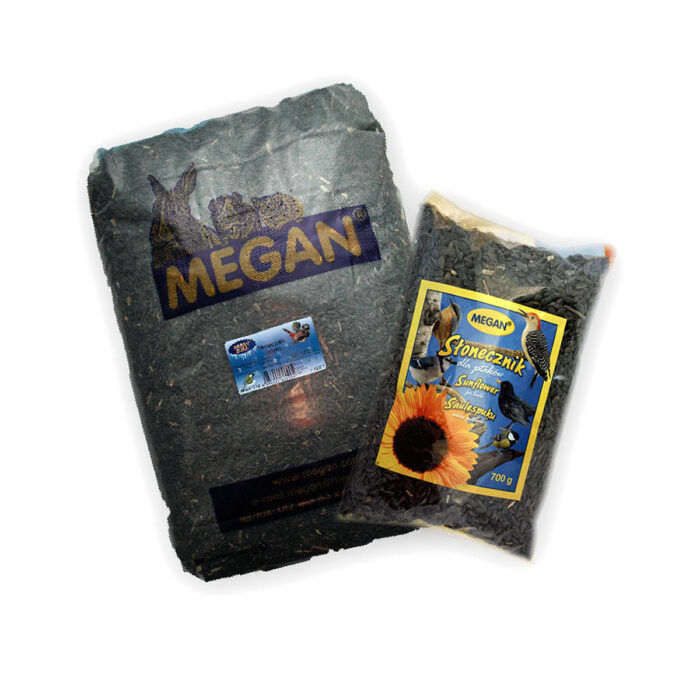
Sunflower for birds
from 8,93 zł incl. VAT Select options This product has multiple variants. The options may be chosen on the product page -
For wild birds
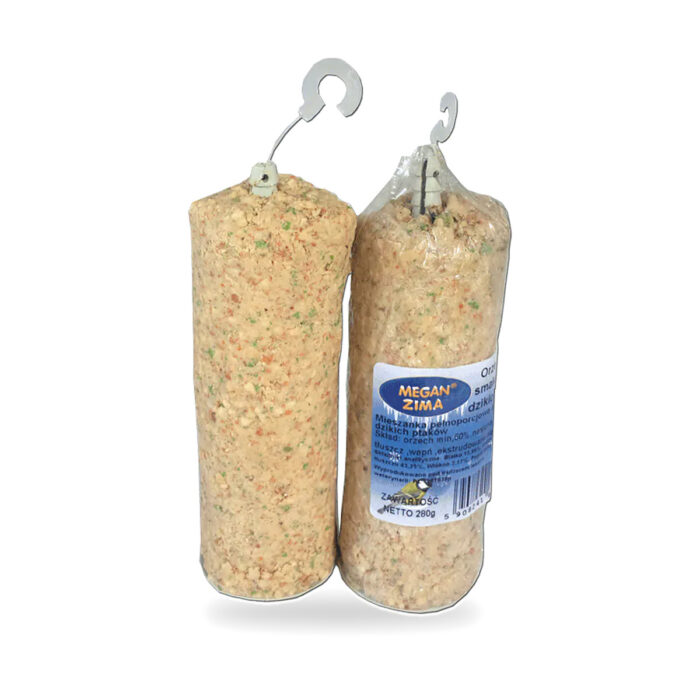
Nut treat
5,89 zł incl. VAT Add to basket -
For wild birds
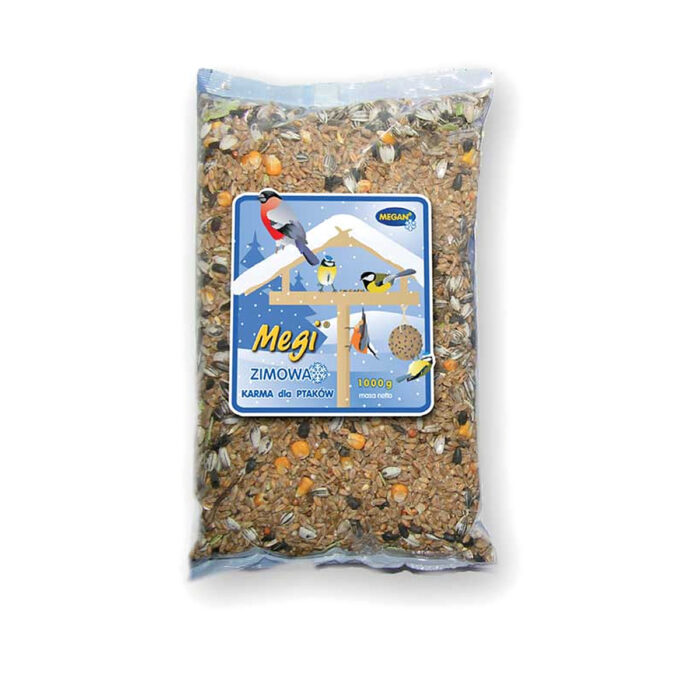
Megi Winter standard bird food
from 8,69 zł Select options This product has multiple variants. The options may be chosen on the product page
Which bird eats what in winter?
Tits and nuthatches eat mainly sunflower and suet, house sparrows and tree sparrows sunflower and millet, and blackbirds and fieldfares fruit1. The summary covers only species that OTOP names directly1. We write about tits separately in the article what tits eat in winter.
| Species | What to feed |
|---|---|
| tits | sunflower, suet, fat balls |
| nuthatches | sunflower, suet |
| Woodpeckers | suet |
| house sparrows and tree sparrows | sunflower, millet |
| Greenfinches, siskins, hawfinches, yellowhammers | sunflower |
| Pigeons and collared doves | cereal grains: millet, oats, wheat |
| Crows and rooks | suet, walnuts in the shell |
| Blackbirds and fieldfares | fruit: apples, pears, shrub fruit |
| Swans and other waterbirds | cooked, finely chopped vegetables without salt, wheat, maize, pellets, rolled oats; only in frosts and never into the water |
What not to give birds?
Do not give birds bread, anything salted, table scraps, mouldy food or fruit with sulphur1,2.
"We strongly advise against feeding birds bread, or other 'human' food."
OTOP, "What to feed and how?"
- Bread and baked goods: OTOP "strongly advises against" bread, because it has a lot of salt and carbohydrates and few nutrients, gives a false sense of fullness and can lead to exhaustion1. Prof. Tryjanowski says that birds must never be fed bread3, and National Geographic Polska calls bread the most common mistake4. Only in an emergency does OTOP allow a small cube of mould-free bread in a small amount1.
- Salt: salted suet and salted nuts are harmful, because salt causes kidney disease and dehydration1. GDOŚ states plainly that bird food must not contain salt2.
- Table scraps and processed food: according to GDOŚ they can be harmful and cause illness2.
- Mould: mouldy, musty and damp grain and rancid fat are not suitable for the feeder1.
- Sulphur: fruit with preservatives, especially with added sulphur, is not suitable for birds1.
Bread is not food for birds, and salt harms them in suet and nuts too.
Please note. Salted suet and salted nuts are harmful: salt causes kidney disease in birds and can lead to dehydration1.
How much food to give birds and how often?
Give little and regularly: OTOP advises offering only as much as the birds will eat at once, and GDOŚ advises putting only a little food in the feeder so that it does not spoil1,2. National Geographic Polska recommends feeding systematically, ideally at set times of day4. Birds quickly get used to a place where they regularly find food1,2.
Put food out for waterbirds only during frosts, on a dry bank or in a shallow container, never into the water1. We describe how to choose and where to hang a feeder in the guide bird feeder.
When to start and when to stop feeding birds?
Start when snow falls and frost sets in, as OTOP advises1, and GDOŚ speaks of the moment when snow makes foraging impossible, and warns against starting too early2. Prof. Tryjanowski personally would wait until the beginning of December, because early feeding can delay the departure of some species5. In a mild winter birds cope on their own1,2.
OTOP does not give an end date1, and National Geographic Polska, citing OTOP and WWF, advises feeding until the end of winter, because its last weeks are the hardest for birds4. GDOŚ draws attention to waterbirds: for swans and ducks, feeding all year round can weaken the migration instinct2. We describe the timing in more detail in the guide when to feed birds.
Frequently asked questions
Can you give birds bread?
No. OTOP strongly advises against bread, because it has a lot of salt and few nutrients, and birds can lose strength after eating it. Only in an emergency does OTOP allow a small cube of mould-free bread.
Can birds eat suet?
Yes, but only unsalted. According to OTOP, in frost suet stays fresh for about two weeks, and above freezing it quickly goes rancid, so replace it regularly.
What is the best bird food for winter?
According to OTOP, birds readily eat sunflower, seed mixes, unsalted nuts, unsalted suet and fat balls without netting. GDOŚ points out that there is no single mix for all species, so offer several kinds of food.
Can birds be given fruit?
Yes, blackbirds and fieldfares readily eat fruit. OTOP lists apples, pears and frozen elderberries, among others, and the fruit must be free of preservatives and sulphur.
Sources
- OTOP, "What and how to feed?", by Monika Klimowicz-Kominowska, otop.org.pl
- GDOŚ, "#PoPierwszeNieSzkodzić: feeding birds" (21.11.2022), gov.pl
- National Geographic Polska, "Scientists are not convinced about feeding birds in winter" (11.12.2023), national-geographic.pl
- National Geographic Polska, Magdalena Rudzka, "How to feed birds properly" (25.11.2025), national-geographic.pl
- Radio Kielce (IAR), statement by Prof. Piotr Tryjanowski, Poznań University of Life Sciences (2.11.2024), radiokielce.pl
Photos: photo: Marie-Lan Nguyen, Wikimedia Commons, CC BY 4.0, crop changed; photo: Dmitry Makeev, Wikimedia Commons, CC BY-SA 4.0, crop changed; photo: Jacob Spinks from Northamptonshire, England, Wikimedia Commons, CC BY 2.0, crop changed; photo: Père Igor, Wikimedia Commons, CC BY-SA 3.0, crop changed.
Prepared by the domowypupil.pl editorial team on the basis of the sources listed above. The article is for information only and does not replace the advice of a vet.