 Guide: chinchilla


What to buy
- Złota Seria, Chinchilla Food: Chinchilla food as a supplement to hay.
- hay for rodents: The basis of the daily diet of rabbits, guinea pigs and chinchillas.
- Chinchilla dust bath: Dust for a chinchilla's sand bath.
In brief
In this article
What to feed a chinchilla every day?
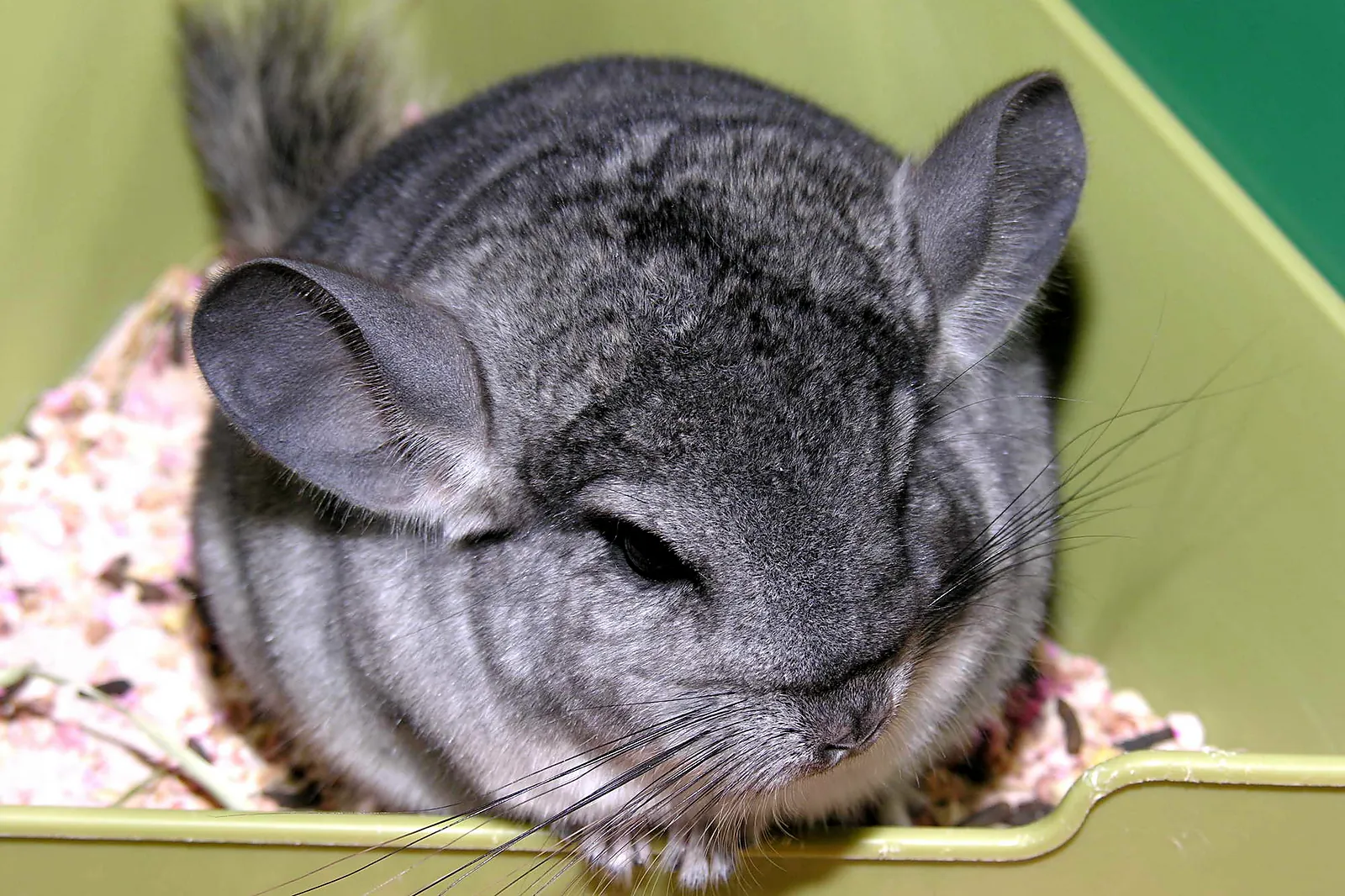
The basis is hay from long grasses, for example timothy, given without limit and fresh every day1. The RSPCA describes the chinchilla diet as rich in fibre, based on grasses and hay, with access to food around the clock4.
A chinchilla's teeth grow throughout its life, and hay wears them down4. Pellets do not do this, because they crumble, which is why Merck recommends them only in a small amount: 1 to 2 tablespoons a day1.
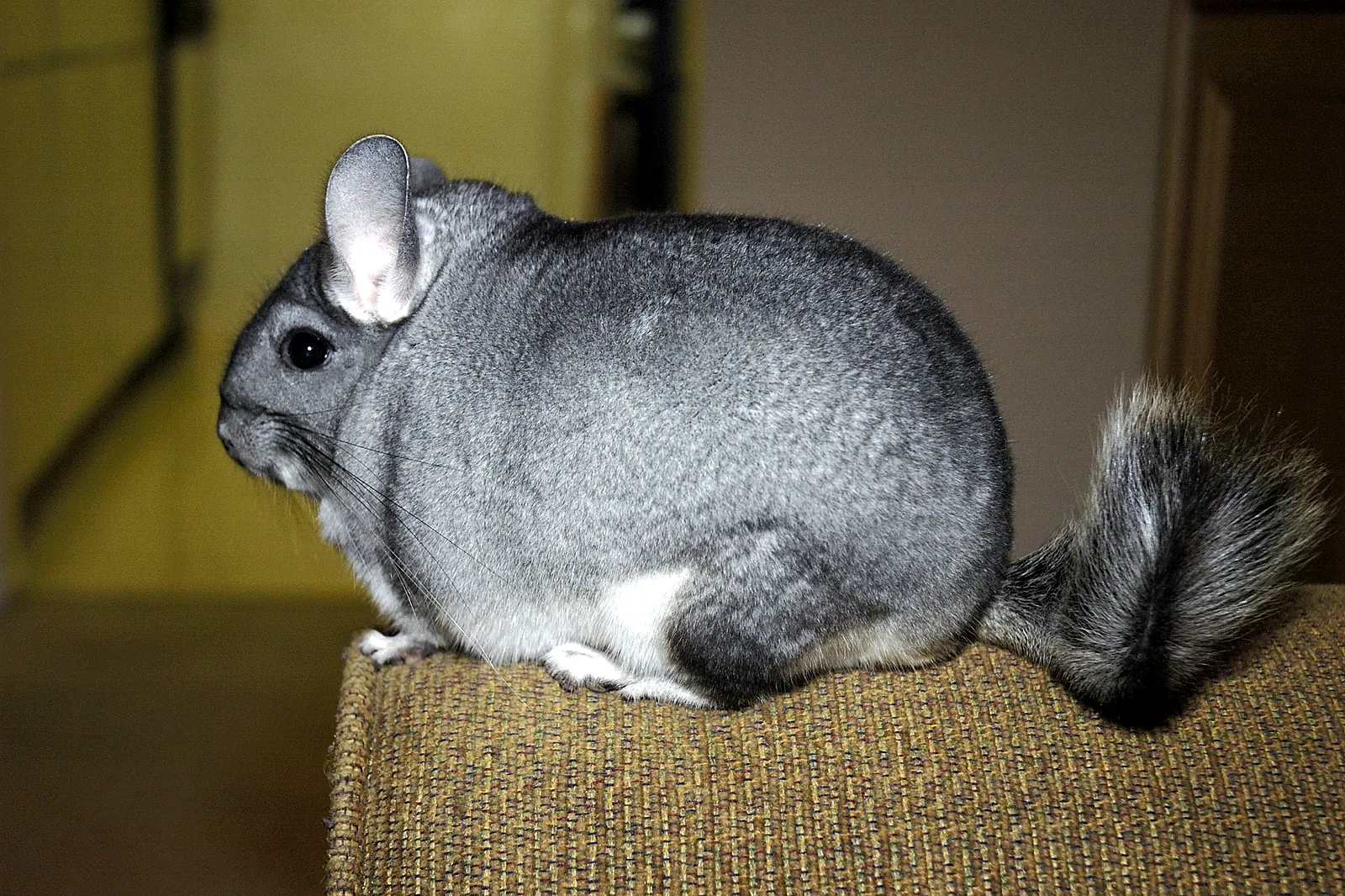
On top of that, a handful of fresh, dark green lettuce1. Merck's daily care checklist is more cautious, mentioning about a teaspoon of vegetables a day, so start with a small portion3.
What food for a chinchilla?
Choose food intended for chinchillas and give it in a small portion, 1 to 2 tablespoons a day1. Fruit should make up less than 10% of the diet, so give fruit treats only occasionally1.
- Avoid vegetables rich in calcium: kale, parsley leaves and dandelion leaves1.
- Avoid lucerne hay, choose grass hay1.
- Give carrots rarely, because they contain a lot of sugar1.
In the shop you will find Złota Seria, chinchilla food, ZOO BOX Premium Line in the chinchilla version and sticks for rodents. When choosing hay for rodents, make sure it is grass hay, not lucerne.
Unlimited hay, pellets by the spoonful, fruit hardly at all.
How often should a chinchilla have a sand bath?
Merck states that a chinchilla should have a dust bath every day, for about 10 minutes2,3. Other guides recommend bathing less often, so it is worth agreeing the frequency with a vet who knows your animal.
"let the chinchilla roll in it for about 10 minutes each day"
Merck Veterinary Manual, "Providing a Home for a Chinchilla" (translated from the English)
Watch your chinchilla after the bath. If its eyes look irritated, contact a veterinarian.
Please note. Do not leave the dust container in the cage permanently: the dust will become soiled with droppings and food2.
What sand for a chinchilla and how to prepare the bath?
Merck recommends a special bathing dust from a pet shop, often called chinchilla sand in shops2. Pour a shallow layer, 5 to 10 cm, into a separate container2.
- Pour the dust into the container in a layer of 5 to 10 cm2.
- Put the container in the cage for about 10 minutes2.
- After the bath, take the container out, because dust left in the cage becomes soiled with droppings and food2.
The shop has chinchilla dust bath and a larger pack, chinchilla dust 4 kg. We have collected dusts and bedding in the category bedding, substrates and sands.
Key points
- Give grass hay without limit and fresh every day.
- Pellets only in a small amount, 1 to 2 tablespoons a day1.
- For bathing use a special dust from a pet shop.
- After the bath, take the container out of the cage.
At domowypupil.pl
-
For rodents and rabbits
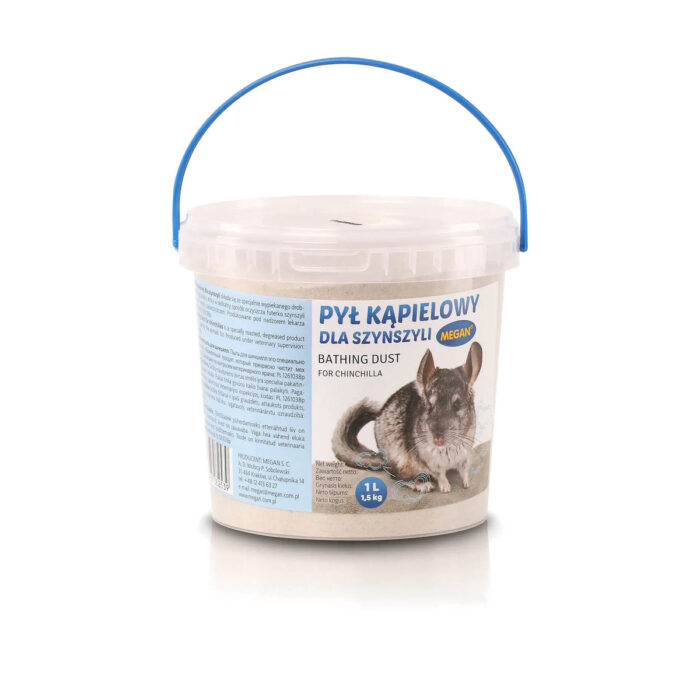
Chinchilla dust bath
from 5,71 zł Select options This product has multiple variants. The options may be chosen on the product page -
For small animals
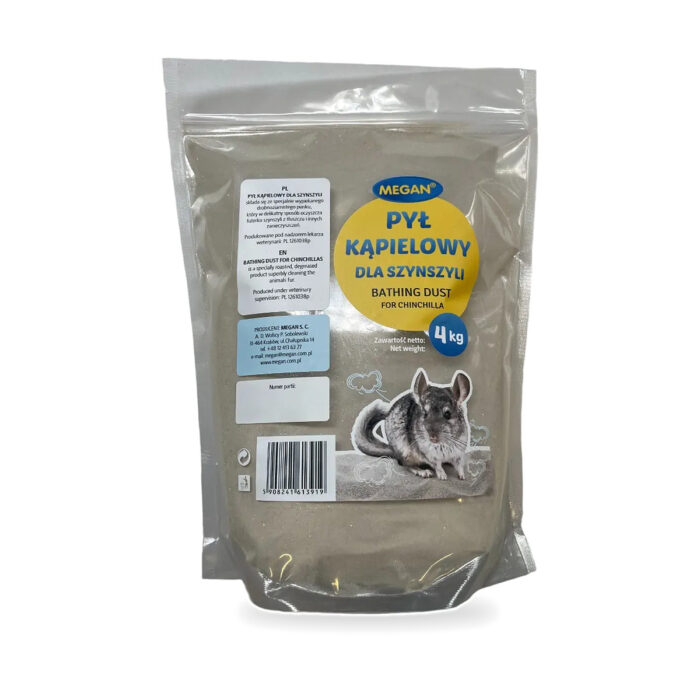
Chinchilla dust 4kg doypack
11,30 zł incl. VAT Add to basket
How to give water and introduce new food?
A chinchilla must always have fresh water, and the drinker should be washed every day1. Introduce new foods slowly, over several days1.
Chinchillas come from the mountains of South America and are adapted to a cool, dry climate4. If you also have other animals, see the guides starter kit for a rabbit and what a hamster needs.
Chinchilla foods and treats are in the category food for rodents and rabbits. If a chinchilla stops eating, contact a veterinarian.
Frequently asked questions
How many pellets a day for a chinchilla?
Merck Veterinary Manual recommends 1 to 2 tablespoons of pellets a day. The basis of the diet is grass hay given without limit.
Can a chinchilla eat fruit?
Only a little, fruit should make up less than 10% of the diet. The basis is always grass hay given without limit.
How long does a chinchilla dust bath last?
According to Merck, about 10 minutes a day. Other guides recommend bathing less often, so agree the frequency with a vet.
Can chinchilla sand be left in the cage?
No. Merck advises taking the container out after the bath, because the dust becomes soiled with droppings and food.
Sources
- Merck Veterinary Manual (owner version), "Diet for a Chinchilla", Laurie Hess, DVM, DABVP, merckvetmanual.com
- Merck Veterinary Manual (owner version), "Providing a Home for a Chinchilla", Laurie Hess, DVM, merckvetmanual.com
- Merck Veterinary Manual, "Chinchilla Care Checklist", merckvetmanual.com
- RSPCA, "Keeping chinchillas as pets", rspca.org.uk
Photos: photo: Luis Miguel Bugallo Sánchez, Wikimedia Commons, CC BY-SA 3.0, crop changed; photo: Trurl66, Wikimedia Commons, Public domain.
Prepared by the domowypupil.pl editorial team on the basis of the sources listed above. The article is for information only and does not replace the advice of a vet.