
Category
Bedding, substrates and sand for small animals
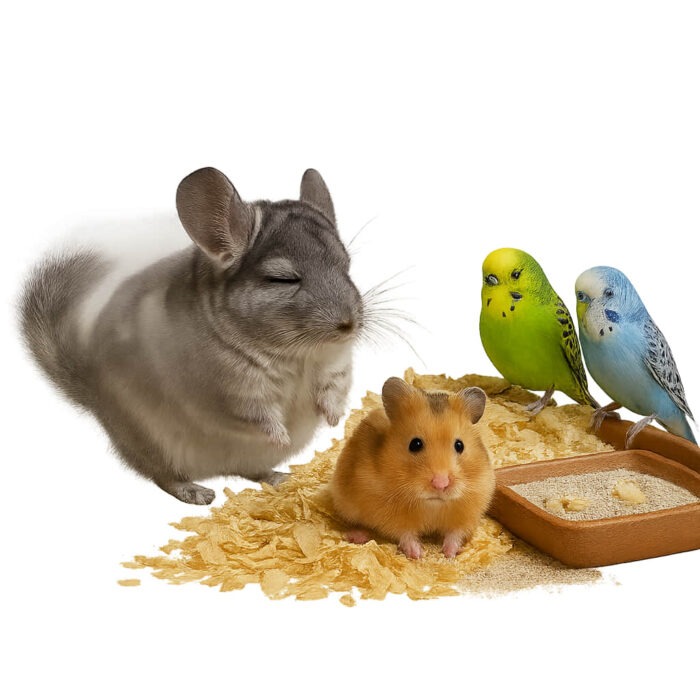
5 products
-
For small animals
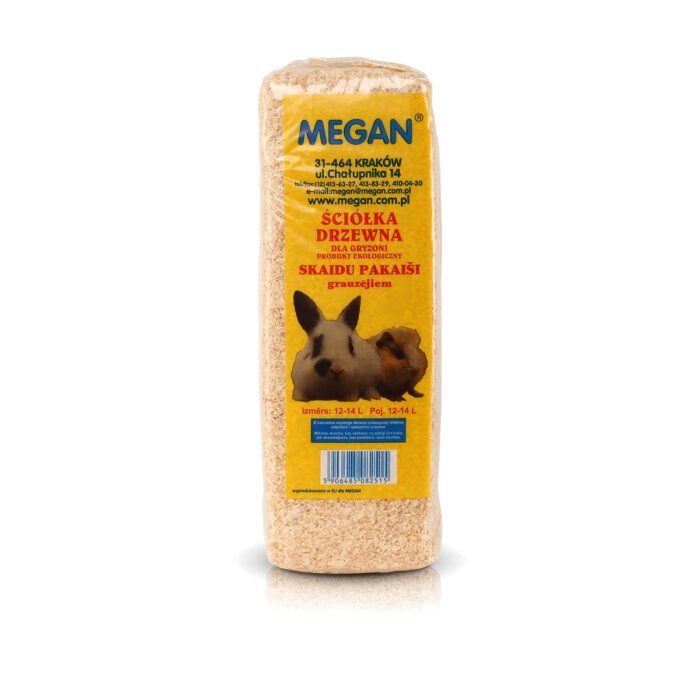
Sawdust for rodents
7,29 zł incl. VAT Add to basket -
For small animals
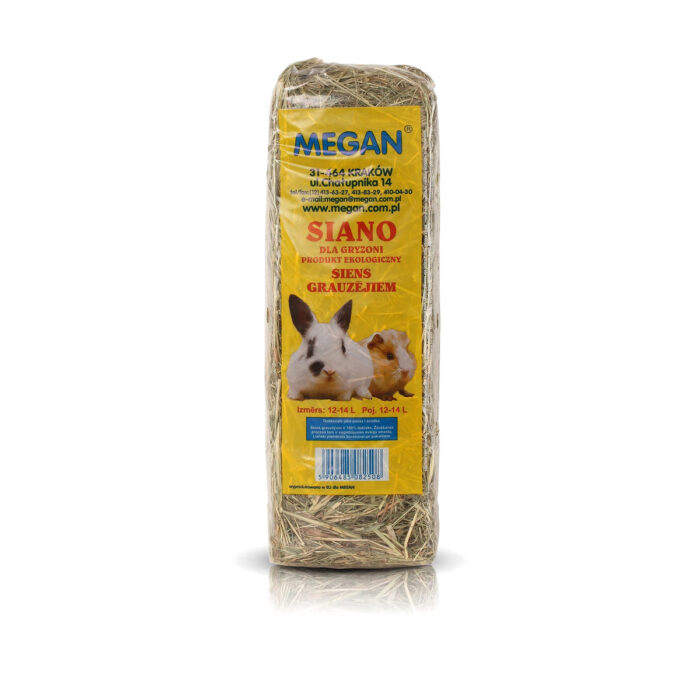
Hay for rodents
6,00 zł incl. VAT Add to basket -
For small animals
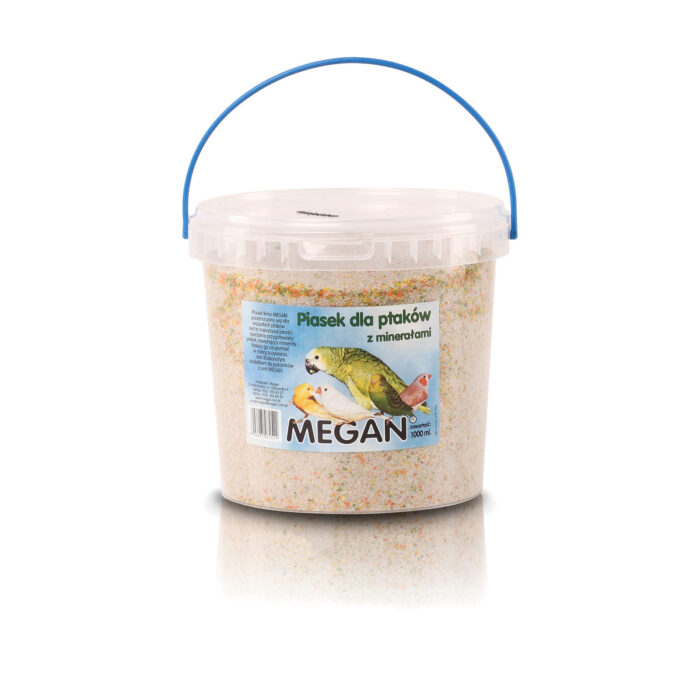
Bird sand with minerals
6,59 zł incl. VAT Add to basket -
For small animals
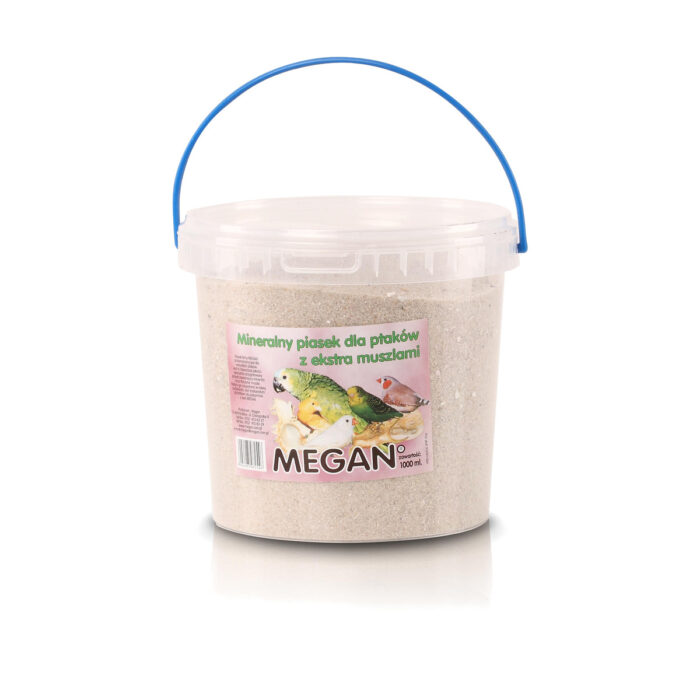
Bird sand with shells
8,71 zł incl. VAT Add to basket -
For small animals
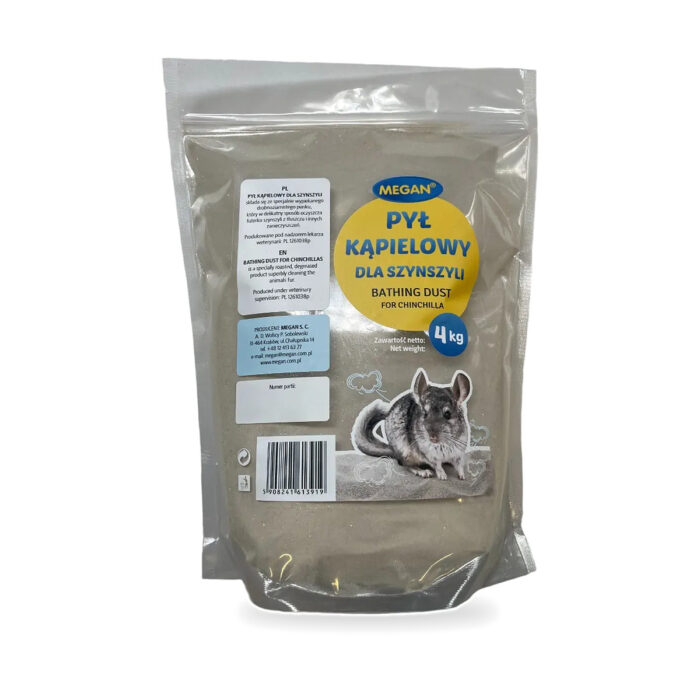
Chinchilla dust 4kg doypack
11,30 zł incl. VAT Add to basket
How to choose
| For whom | Product | packaging |
|---|---|---|
| Rodent, bedding and feed | Hay for rodents | 12 to 14 l |
| Rodent, cage lining | Sawdust for rodents | 12 to 14 l |
| Caged bird | Sand with minerals or with shells | 1500 g |
| chinchilla | Chinchilla dust | 4 kg |
Hay is dried plant fibre that is both bedding and feed for rodents. Sawdust is soft, dust-free shavings of natural wood. Bird sands are baked and rich in minerals, and the shell version additionally contains ground shells, a source of micro and macro elements. A chinchilla bathes in dust, not in water, so bird sand is not suitable for its cage.
Questions about bedding and sand
How often should bird sand be changed?
The product description recommends changing it 2 to 3 times a week.
How often should a chinchilla have a dust bath?
Megan recommends bathing 2 to 3 times a week. The dust should not stay in the cage permanently, and after a few baths replace it with fresh dust. It spills least from a container that narrows at the opening.
Is bird sand suitable for a chinchilla?
No. A chinchilla needs bath dust; bird sand is for a bird's cage.
Is hay bedding or food?
Both. For rabbits and guinea pigs hay is the basis of the diet (RSPCA, PDSA), so it must never run out.