 Guide: birds in winter


What to buy
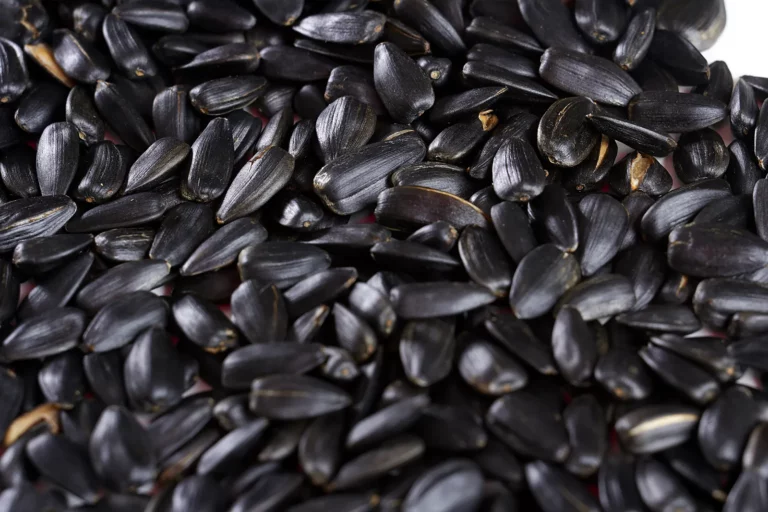
- sunflower for birds: The basic winter food for the feeder, eaten by tits, house sparrows and greenfinches, among others.
- Fat bells: Complete fat food for wild birds in a cup for hanging.
- Spring for wild birds, feeder: A hanging feeder in the shape of a spring.
In brief
- According to OTOP, tits eat sunflower, suet and fat balls in winter, and the suet must be unsalted.
- Remove the plastic netting from fat balls, because birds can get tangled in it.
- For tits the best choice is a hanging feeder without a large floor, hung high and away from windows.
In this article
Which tits will you see at a feeder in winter?
In Poland you can see 6 species of tit: the great tit, blue tit, marsh tit, willow tit, crested tit and coal tit1. OTOP's educational material describes two of them in more detail: the great tit and the blue tit1.
Great tit
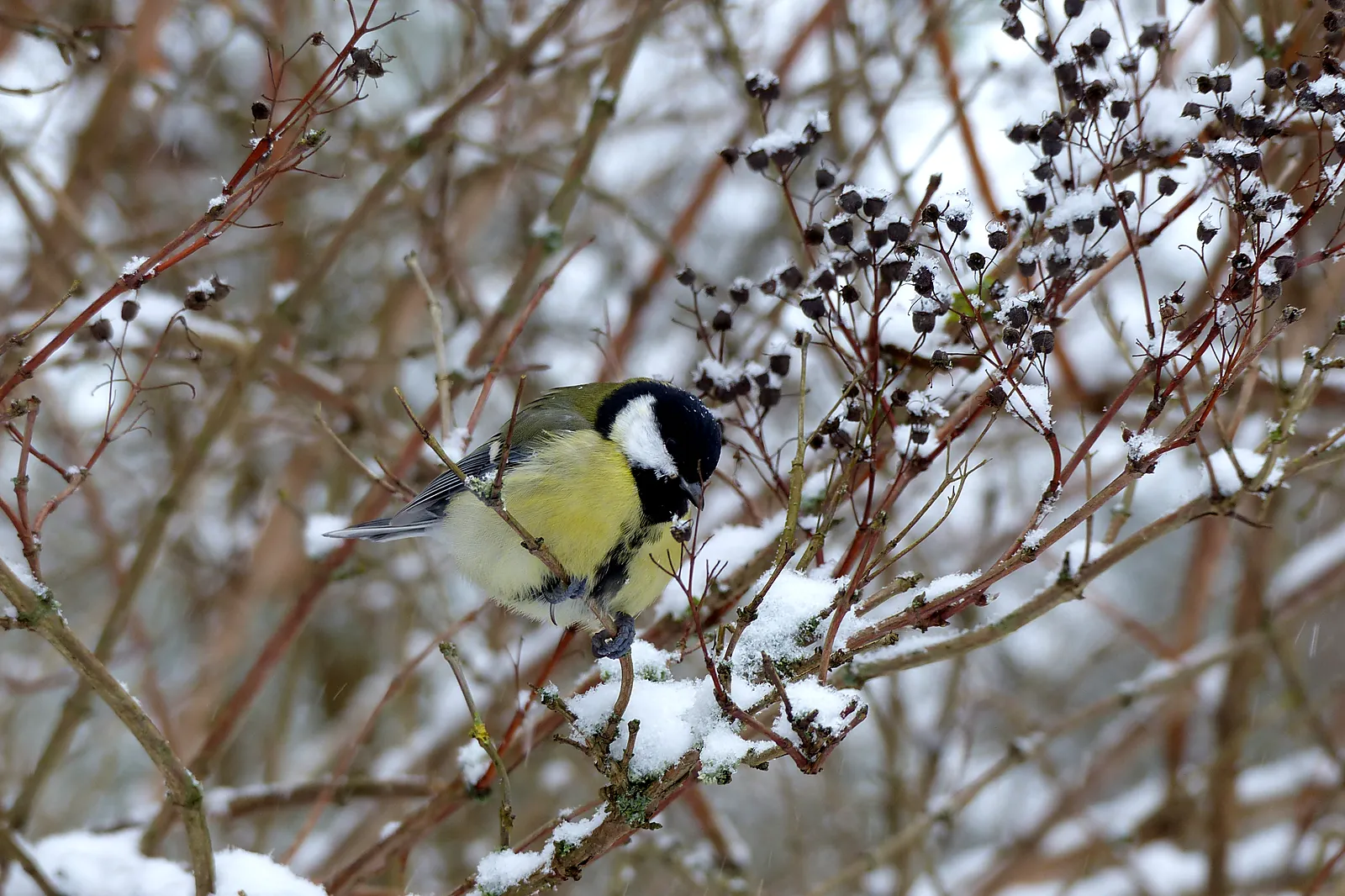
The great tit is the largest of our tits: a yellow-olive bird with white cheeks and a black stripe on its belly1. It forages on the ground and in the branches of trees, and according to the OTOP material it very much likes to peck at suet hung in a feeder1.
Blue tit
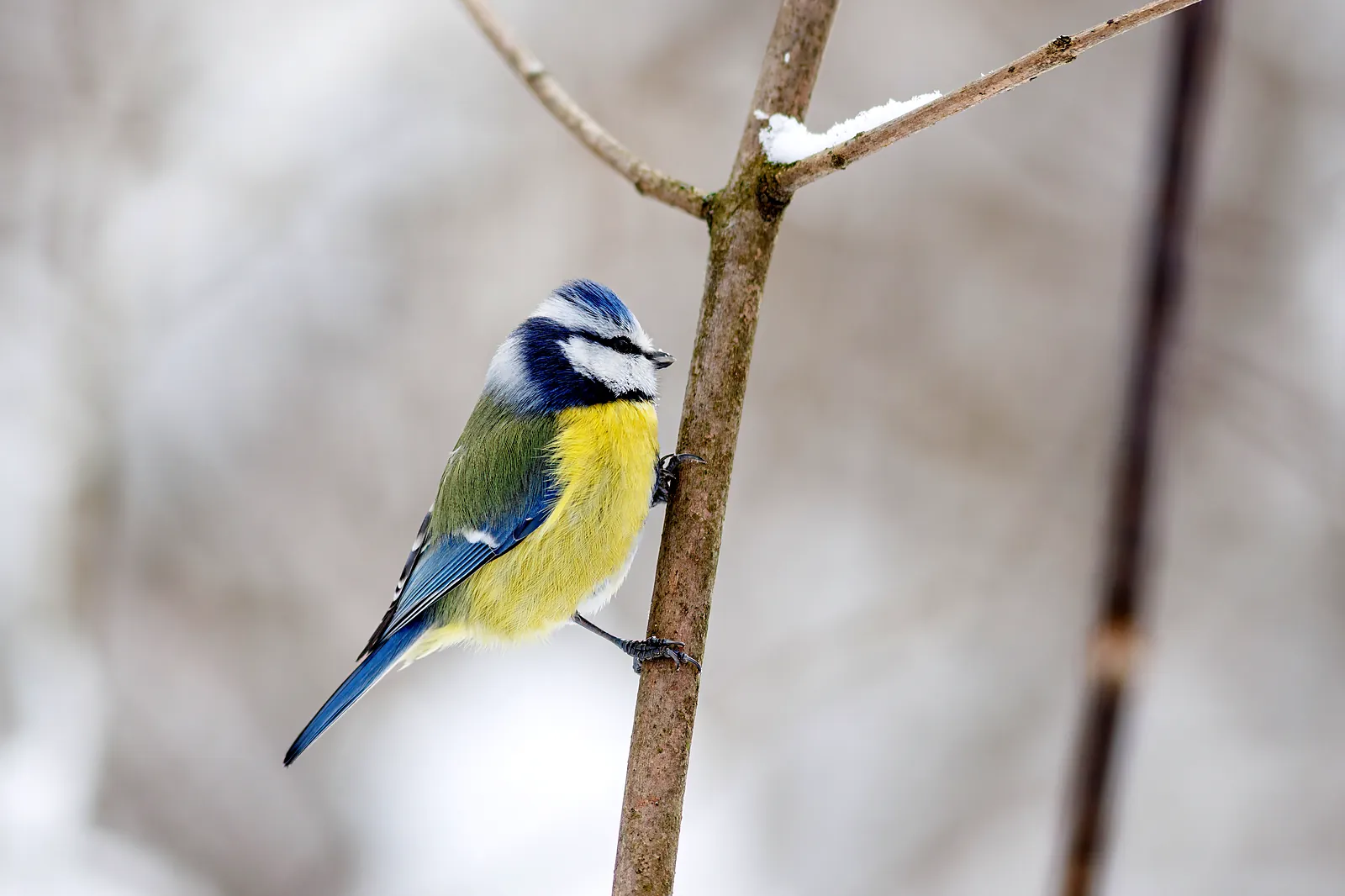
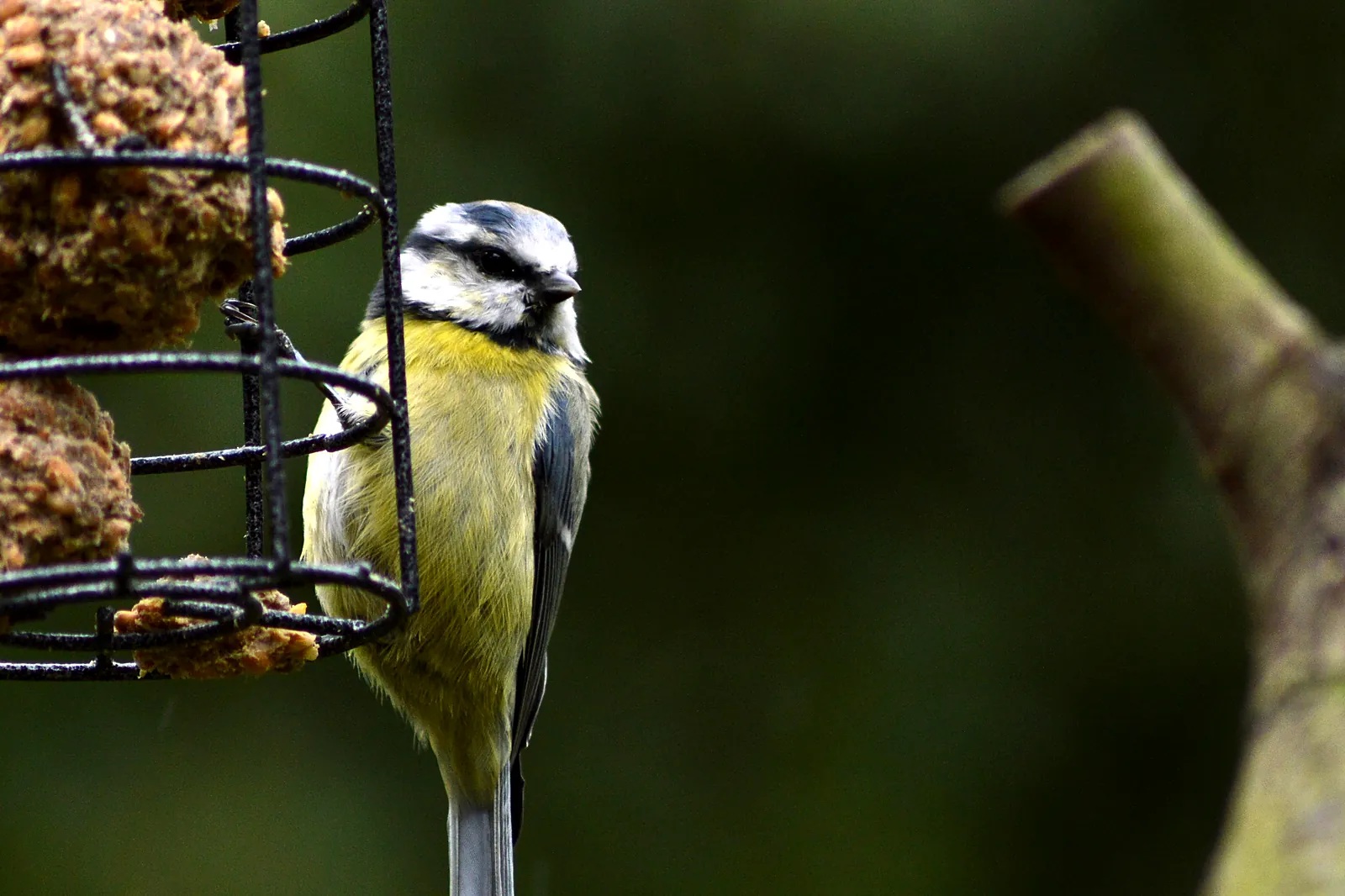
The blue tit is smaller, with blue-green wings and a sky-blue cap1. It looks for insects on thin, delicate twigs, and in winter forms large flocks, often with other tits, treecreepers and nuthatches1.
What do tits eat in winter?
In winter tits eat mainly sunflower, suet and fat balls2. OTOP stresses that sunflower can be either hulled or unhulled, and lists tits among its fans2. Prof. Piotr Tryjanowski told Radio Kielce that tits particularly like fat balls4.
"Tits, nuthatches and woodpeckers happily eat suet."
OTOP, "What to feed and how?"
- Sunflower hearts or in the husk, dry and free of mould2.
- Suet only unsalted: in frost it stays fresh for about 2 weeks, in above-zero temperatures it quickly goes rancid2.
- Fat balls, that is fat, e.g. tallow, with seeds, always without plastic netting2.
- Unsalted shelled nuts, which according to OTOP almost all feeder birds like2.
We describe food for other species in the guide what to feed birds in winter, and we write about choosing seed in the text sunflower for birds.
At domowypupil.pl
-
For wild birds
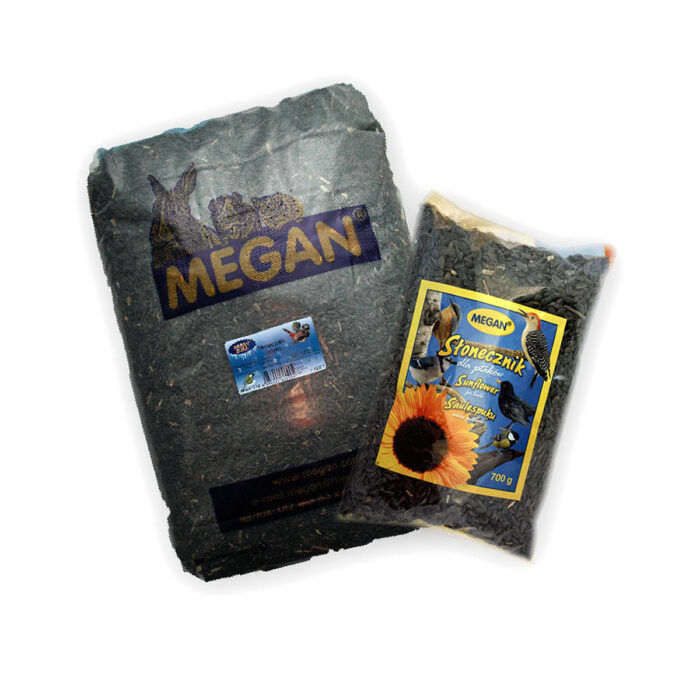
Sunflower for birds
from 8,93 zł incl. VAT Select options This product has multiple variants. The options may be chosen on the product page -
For wild birds
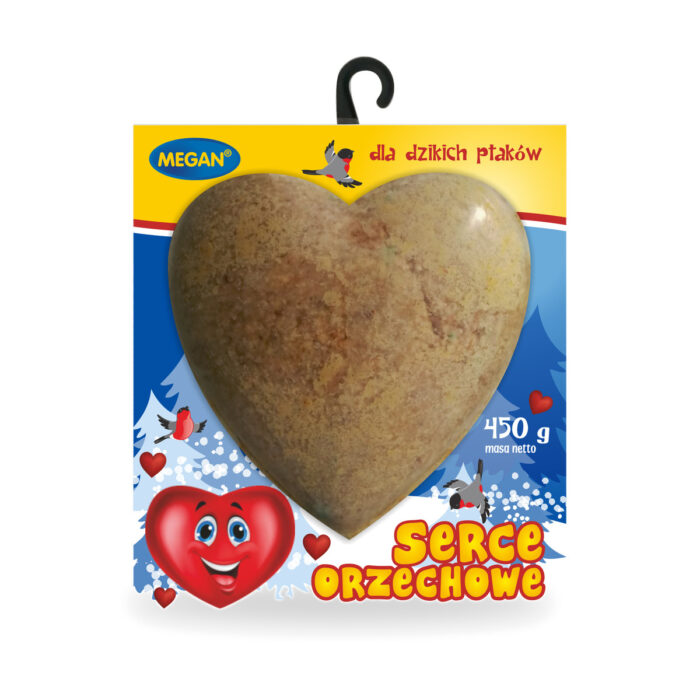
Nut heart for birds
14,75 zł Add to basket -
For wild birds
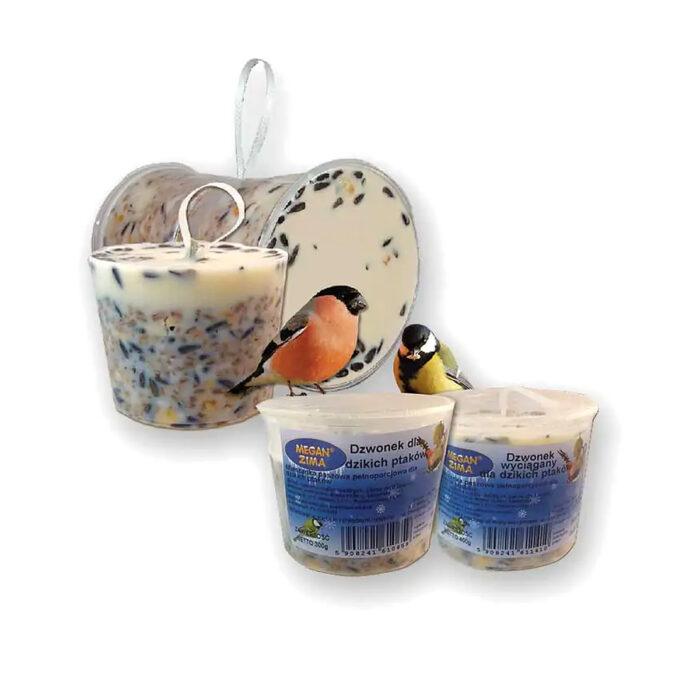
fat bells
8,84 zł incl. VAT Select options This product has multiple variants. The options may be chosen on the product page
What should you feed tits so as not to harm them?
Feed tits only fresh, unsalted food and remove the netting from fat balls2. OTOP warns that birds can get tangled in plastic netting, and the consequences can be fatal2. If a ball comes in netting, including one bought from us, remove it before hanging, and you can read more in the guide fat balls for birds.
Do not give bread, table scraps or anything salted, because salt causes kidney disease and dehydration in birds2,5. Give only as much as the birds will eat straight away, because wet food quickly goes mouldy2.
Always hang a fat ball without plastic netting, including one bought in a shop.
Please note. If a fat ball comes in plastic netting, including one bought from us, remove the netting before hanging: birds can get tangled in it2.
Do tits become dependent on a feeder?
An American study described by National Geographic does not confirm this: the team of Prof. Jim Rivers of Oregon State University observed 67 tits and found no dependence on feeders3. In difficult periods the birds were able to gather and store food, although the authors point out that further research is needed3. If you start feeding, do it regularly, because birds get used to a place with food2,5.
When to start depends on the weather: OTOP advises starting when snow falls and frost sets in2. We describe the timing in the guide when to feed birds.
Which feeder should you choose for tits?
For tits choose a hanging feeder without a large floor1. OTOP's educational material gives an example: pieces of thick birch branches with drilled holes filled with fat and seeds1. OTOP advises hanging fat balls on string, serving them in a paper cup as a "bell", or putting them in a metal fat ball feeder2.
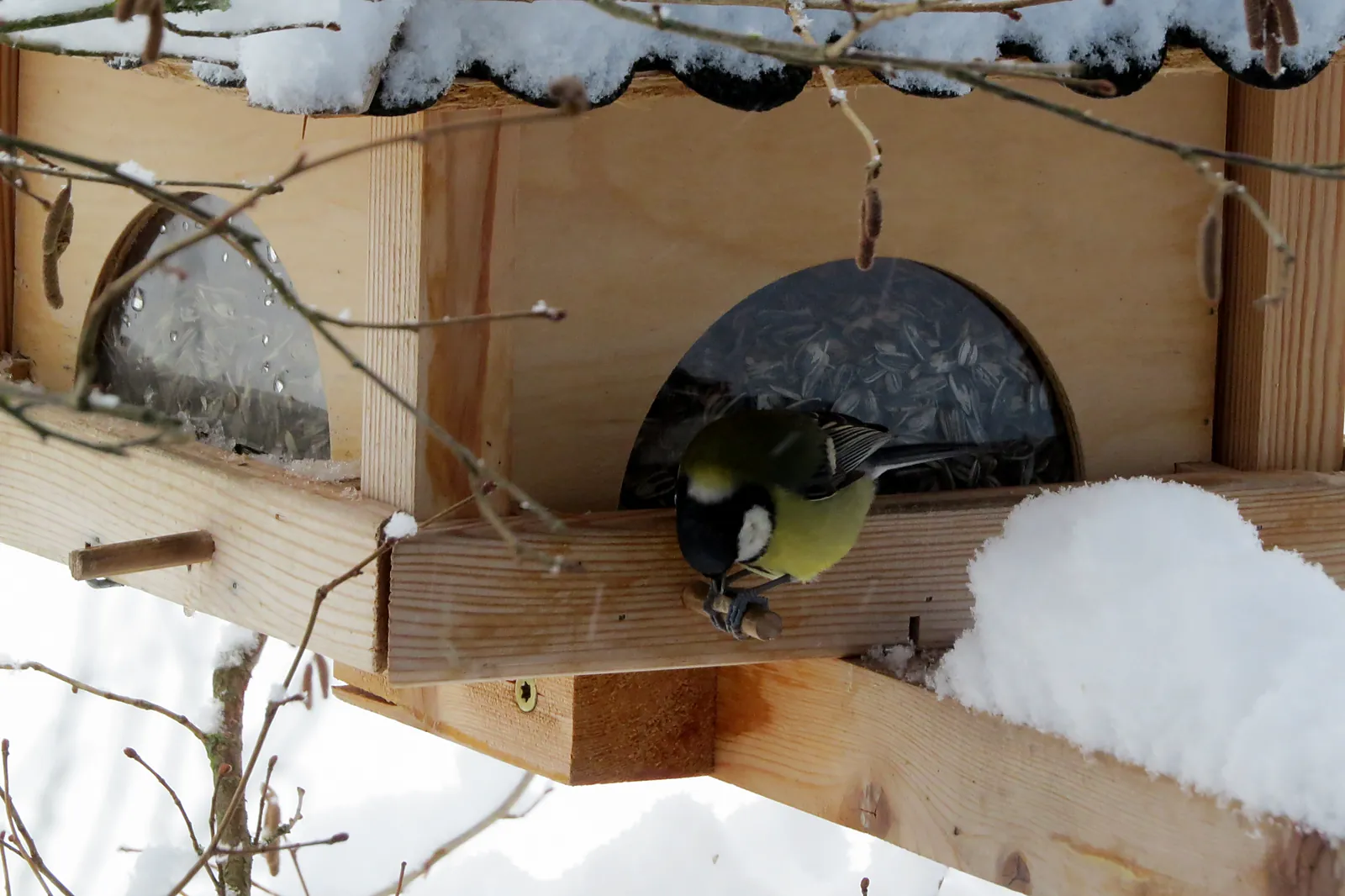
Hang the feeder at least 1.2 m above the ground5, out of reach of cats, away from windows and close to bushes2. You will find details in the guide bird feeder: which to choose and where to hang it, and ready-made food in the category food for overwintering birds.
Frequently asked questions
What do tits like to eat?
According to OTOP, tits eat sunflower, unsalted suet and fat balls. Prof. Piotr Tryjanowski points out that tits particularly like fat balls.
How many species of tit live in Poland?
OTOP's educational material lists six species: the great tit, blue tit, marsh tit, willow tit, crested tit and coal tit. The great tit is the largest of them.
Do tits eat bread?
Do not give bread to any birds. OTOP firmly advises against it, because it contains a lot of salt and few nutrients.
Can a fat ball hang in netting?
No. OTOP warns that birds can get tangled in plastic netting, so remove it before hanging the ball, including when the ball comes from a shop.
Sources
- OTOP, educational material "Should we feed birds? Birds of the month: tits and finches" (older material, not the current position), otop.org.pl
- OTOP, "What and how to feed?", by Monika Klimowicz-Kominowska, otop.org.pl
- National Geographic Polska, "Scientists are not convinced about feeding birds in winter" (11.12.2023), national-geographic.pl
- Radio Kielce (IAR), statement by Prof. Piotr Tryjanowski, Poznań University of Life Sciences (2.11.2024), radiokielce.pl
- GDOŚ, "#PoPierwszeNieSzkodzić: feeding birds" (21.11.2022), gov.pl
Photos: photo: Evas-naturfotografie, Wikimedia Commons, CC BY-SA 4.0, crop changed; photo: DmitriyGuryanov, Wikimedia Commons, CC BY-SA 4.0, crop changed; photo: Jacob Spinks from Northamptonshire, England, Wikimedia Commons, CC BY 2.0, crop changed; photo: GT1976, Wikimedia Commons, CC BY-SA 4.0, crop changed.
Prepared by the domowypupil.pl editorial team on the basis of the sources listed above. The article is for information only and does not replace the advice of a vet.